Asian Art
Debate over the atomic bombings of Hiroshima and Nagasaki
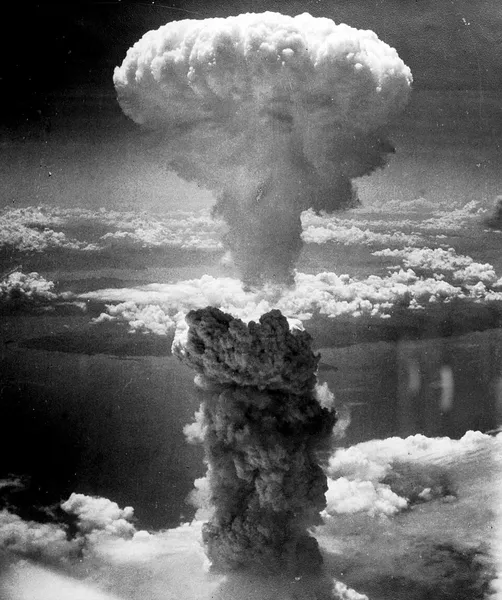
Substantial debate exists over the ethical, legal, and military aspects of the atomic bombings of Hiroshima and Nagasaki on 6 August and 9 August 1945 respectively at the close of the Pacific War theater of World War II (1939–45), as well as their lasting impact on both the United States and the international community. Topics include their military necessity toward ending the war in Asia, comparisons to the proposed Western Allied invasion of mainland Japan and the Soviet invasion of Manchuria, comparison to other strategic bombing in the war, and characterization as state terrorism or a war crime. On 26 July 1945 at the Potsdam Conference, United States president Harry S. Truman, British prime minister Winston Churchill and President of China Chiang Kai-shek issued the Potsdam Declaration, which outlined the terms of surrender for the Empire of Japan. This ultimatum stated if Japan did not surrender, it would face "prompt and utter destruction". Some debaters focus on the presidential decision-making process, and others on whether or not the bombings were the proximate cause of Japanese surrender. Over the course of time, different arguments have gained and lost support as new evidence has become available and as studies have been completed. There is also the debate on the role of the bombings in Japan's surrender and the U.S.'s justification for them based upon the premise that the bombings precipitated the surrender. This remains the subject of both scholarly and popular debate, with revisionist historians advancing a variety of arguments. In 2005, in an overview of historiography about the matter, J. Samuel Walker wrote, "the controversy over the use of the bomb seems certain to continue". Walker stated, "The fundamental issue that has divided scholars over a period of nearly four decades is whether the use of the bomb was necessary to achieve victory in the war in the Pacific on terms satisfactory to the United States." Supporters of the bombings generally assert that they caused the Japanese surrender, preventing massive casualties on both sides in the planned invasion of Japan: Kyūshū was to be invaded in November 1945 and Honshū four months later. It was thought Japan would not surrender unless there was an overwhelming demonstration of destructive capability.
Also on this shelf
Conservative Judaism.
Action figure.
See also
Uncatalogued shelfText from Wikipedia; plate via Wikimedia Commons. Text CC BY-SA 4.0; plate freely licensed (see Commons). Source record. Images and catalogue data are reproduced from open-access collections.