Writing and Printing
History of Frankfurt
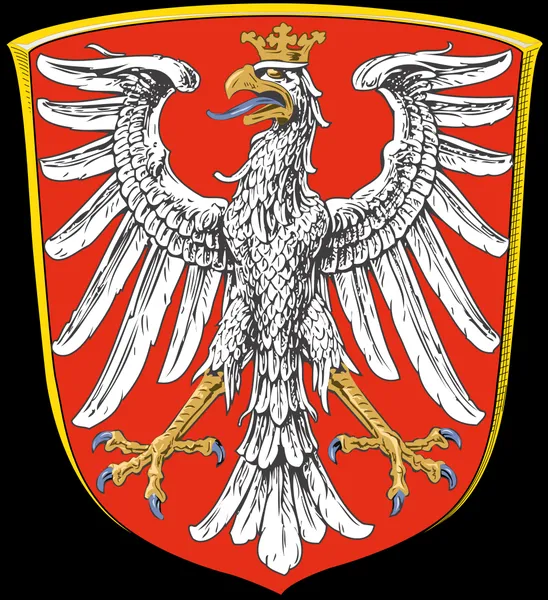
The city of Frankfurt developed from an early settlement on the Main into one of the most important political and commercial centres of Germany. Its location at the intersection of major trade routes contributed to its importance from the Early Middle Ages. Frankfurt was first mentioned in written sources in the late 8th century. In the following centuries, it acquired an increasingly important role within the Holy Roman Empire. From 1147 onward, Frankfurt was the site of most elections of the German kings, a role formally confirmed by the Golden Bull of 1356. Beginning in 1562, most Holy Roman emperors were also crowned in Frankfurt Cathedral. Alongside its political importance, Frankfurt became a major centre of long-distance trade. The Frankfurt Trade Fair developed into one of the most significant fairs in Europe, while the city's status as a free imperial city gave it substantial political and economic autonomy. Frankfurt lost its independence with the dissolution of the Holy Roman Empire in 1806 and became part of the Napoleonic Grand Duchy of Frankfurt. In 1815 it regained the status of a sovereign city as the Free City of Frankfurt and became the seat of the German Confederation's Federal Convention. During the German revolutions of 1848–1849, the Frankfurt Parliament convened in St. Paul's Church in an attempt to establish a unified constitutional German state. After the Austro-Prussian War of 1866, the city was annexed by the Kingdom of Prussia. Industrialisation and rapid population growth subsequently transformed Frankfurt into a major city of the German Empire. During the Second World War, large parts of the historic city centre were destroyed by Allied air raids. After the war, Frankfurt became part of the state of Hesse in West Germany. It was considered as a possible seat of government for the newly established Federal Republic of Germany, but Bonn was ultimately chosen instead. In the post-war period, Frankfurt developed into Germany's leading financial centre and an important centre of transport and international commerce.
Also on this shelf
Gupta script.
Feng Dao.
See also
Uncatalogued shelfText from Wikipedia; plate via Wikimedia Commons. Text CC BY-SA 4.0; plate freely licensed (see Commons). Source record. Images and catalogue data are reproduced from open-access collections.