Writing and Printing
All caps
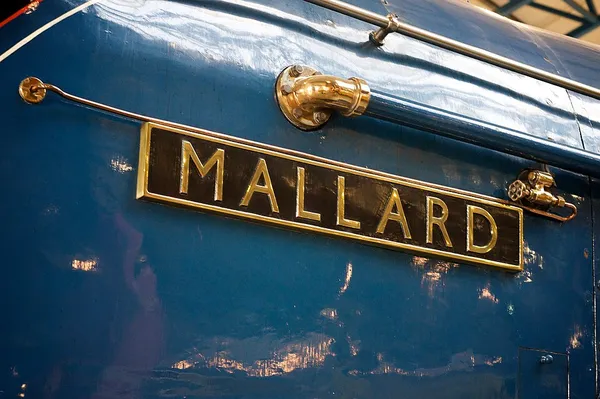
In typography, text in all caps or all uppercase consists of capital letters without any lowercase letters. For example, the sentence "THE QUICK BROWN FOX JUMPS OVER THE LAZY DOG" is all-caps. All-caps text can be seen in legal documents, advertisements, newspaper headlines, and the titles on book covers. Short strings of words in uppercase letters appear bolder and "louder" than mixed case, and this is sometimes referred to as "shouting" (or "screaming"). All-caps can also be used to indicate that a given word is an acronym. Studies have been conducted on the readability and legibility of all-caps text. Scientific testing from the 20th century onward has generally indicated that all-caps text is less legible and readable than lower-case text. In addition, switching to all-caps may make text appear hectoring and obnoxious for cultural reasons, because all-capitals is often used in transcribed speech to indicate that the speaker is shouting. All-caps text is common in comic books and on older teleprinter and radio transmission systems, which often do not indicate letter case at all. In professional documents, a commonly preferred alternative to all-caps text is the use of small caps to emphasise key names or acronyms (for example, Text in Small Caps), or the use of italics or (more rarely) bold. In addition, if all-caps must be used it is customary to slightly widen the spacing between the letters, by around 10 percent of the point height. This practice is known as tracking or letterspacing. Some digital fonts contain alternative spacing metrics for this purpose.
Also on this shelf
Chechen language.
Bats language.
See also
Uncatalogued shelfText from Wikipedia; plate via Wikimedia Commons. Text CC BY-SA 4.0; plate freely licensed (see Commons). Source record. Images and catalogue data are reproduced from open-access collections.