Writing and Printing
José Rizal
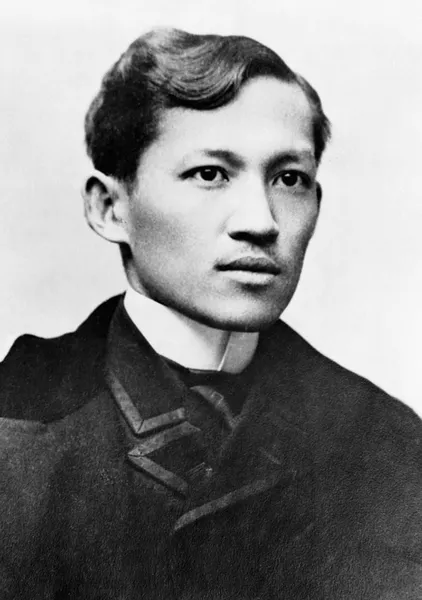
José Protasio Rizal Mercado y Alonso Realonda (Spanish: [xoˈse riˈsal, -ˈθal], Tagalog: [hoˈse ɾiˈsal]; June 19, 1861 – December 30, 1896) was a Filipino nationalist, writer, and polymath active at the end of the Spanish colonial period of the Philippines. He is popularly considered to be a national hero of the Philippines. An ophthalmologist by profession, Rizal became a writer and a key member of the Filipino Propaganda Movement in the 1880s, which advocated political reforms for the colony under Spain. By the early 1890s, amidst the Calamba land dispute, Rizal grew more separatist in his stance, conflicting with several colleagues in the Propaganda Movement. On July 6, 1892, a few days after establishing the secret society La Liga Filipina within Manila, Rizal was arrested by Spanish authorities for alleged possession of a seditious document, being banished to Dapitan in the island of Mindanao. During his exile, Rizal met Josephine Bracken, an Irish woman who later became his common-law wife. After four years in exile, Rizal left Dapitan for Cuba in August 1896 with the permission of Governor General Ramón Blanco, intending to serve as a doctor in the Spanish territory. At a stopover in Barcelona, he was arrested on October 6, 1896 after the Philippine Revolution broke out; the revolution was inspired by his writings. In December 1896, he was executed by the Spanish colonial government for the crime of rebellion. Though he was not actively involved in its planning or conduct, he ultimately approved of its goals, which eventually resulted in Philippine independence. Rizal is widely considered one of the greatest and most influential figures in the Philippines, and has been recommended to be so honored by an officially empaneled National Heroes Committee. However, no law, executive order or proclamation has been enacted or issued officially proclaiming any Filipino historical figure as a national hero. He wrote the novels Noli Me Tángere (1887) and El filibusterismo (1891), which together are taken as a national epic, in addition to numerous poems and essays.
Also on this shelf
Fraye Arbeter Shtime.
History of Guatemala.
See also
Uncatalogued shelfText from Wikipedia; plate via Wikimedia Commons. Text CC BY-SA 4.0; plate freely licensed (see Commons). Source record. Images and catalogue data are reproduced from open-access collections.