Writing and Printing
Bengali literature
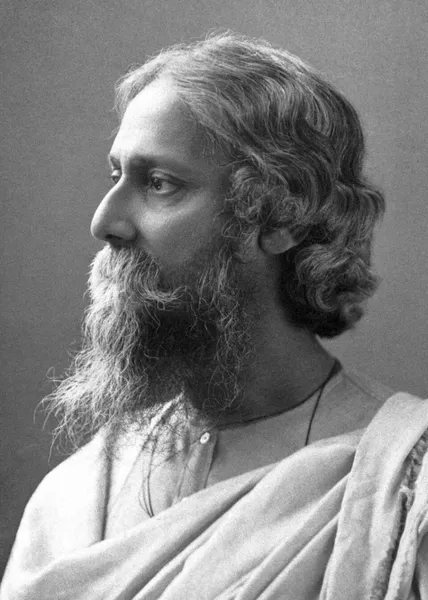
Bengali literature (Bengali: বাংলা সাহিত্য, romanized: Bangla Shahittô) denotes the body of writings in the Bengali language and which covers Old Bengali, Middle Bengali and Modern Bengali with the changes through the passage of time and dynastic patronization or non-patronization. Bengali has developed over the course of roughly 1,400 years. If the emergence of the Bengali literature supposes to date back to roughly 650 AD, the development of Bengali literature claims to be 1600 years old. The earliest extant work in Bengali literature is the Charyapada, a collection of Buddhist mystic songs in Old Bengali dating back to the 8th century. The timeline of Bengali literature is divided into three periods: ancient (650–1200), medieval (1200–1800) and modern (after 1800). Medieval Bengali literature consists of various poetic genres, including Hindu religious scriptures (e.g. Mangalkavya), Islamic epics (e.g. works of Syed Sultan and Abdul Hakim), Vaishnava texts (e.g. biographies of Chaitanya Mahaprabhu), translations of Arabic, Persian and Sanskrit texts, and secular texts by Muslim poets (e.g. works of Alaol). Novels were introduced in the mid-19th century. Nobel laureate Rabindranath Tagore is the best-known figure of Bengali literature to the world. Kazi Nazrul Islam, notable for his activism and anti-British literature, was described as the Rebel Poet and is now recognised as the National poet of Bangladesh.
Also on this shelf
Jetpack Compose.
Book of Veles.
See also
Uncatalogued shelfText from Wikipedia; plate via Wikimedia Commons. Text CC BY-SA 4.0; plate freely licensed (see Commons). Source record. Images and catalogue data are reproduced from open-access collections.