Writing and Printing
History of Bhutan
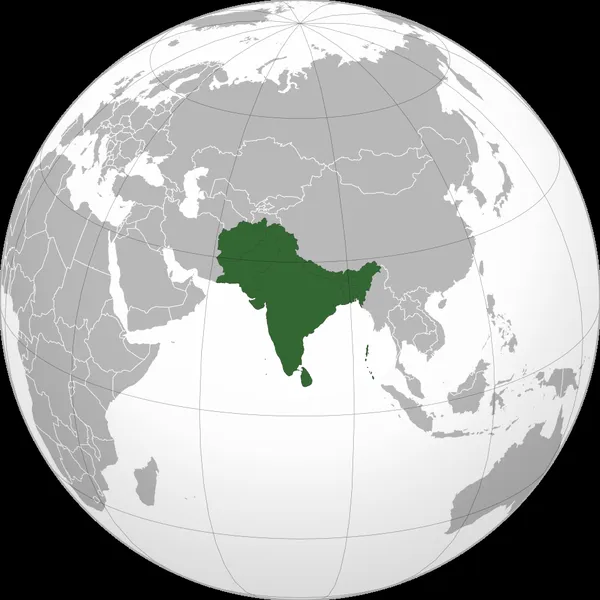
Bhutan's early history is steeped in mythology and remains obscure. Some of the structures provide evidence that the region has been settled as early as 2000 BC. In the 12th century, the Drukpa Kagyupa school was established and remains the dominant form of Buddhism in Bhutan today. The country's political history is intimately tied to its religious history and relations among the various monastic schools and monasteries. Since at least the tenth century, no outside power has ever occupied or governed Bhutan (notwithstanding occasional nominal tributary status). The consolidation of Bhutan occurred in 1616 when Ngawanag Namgyal, a lama from western Tibet known as the Zhabdrung Rinpoche, defeated three Tibetan invasions, subjugated rival religious schools, codified the Tsa Yig, an intricate and comprehensive system of law, and established himself as ruler over a system of ecclesiastical and civil administrators. After his death, infighting and civil war eroded the power of the Zhabdrung for the next 200 years. In 1885, Ugyen Wangchuck was able to consolidate power, and began cultivating closer ties with the British in the subcontinent. In December 1907, Ugyen Wangchuck (Bhutan:འབྲུག་རྒྱལ་དང་པ་ཨོ་རྒྱན་དབང་ཕྱུག) was enthroned as the first hereditary king of Bhutan. In 1910, King Ugyen and the British signed the Treaty of Punakha which provided that British India would not interfere in the internal affairs of Bhutan if the country accepted external advice in its external relations. When Ugyen Wangchuck died in 1926, his son Jigme Wangchuck became the second king, and when India gained independence in 1947, the new Indian Government recognized Bhutan as an independent country. In 1949, India and Bhutan signed the Treaty of Peace and Friendship, which provided that India would not interfere in Bhutan's internal affairs, but would guide its foreign policy. Succeeded in 1952 by his son Jigme Dorji Wangchuck, Bhutan began to slowly emerge from its isolation and began a program of planned development. The National Assembly of Bhutan, the Royal Bhutanese Army, and the Royal Court of Justice were established, along with a new code of law. Bhutan became a member of the United Nations in 1971. In 1972, Jigme Singye Wangchuck ascended the throne at age 16.
Also on this shelf
Ancient Greece–Ancient India relations.
Iban language.
See also
Uncatalogued shelfText from Wikipedia; plate via Wikimedia Commons. Text CC BY-SA 4.0; plate freely licensed (see Commons). Source record. Images and catalogue data are reproduced from open-access collections.