Writing and Printing
History of the Acadians
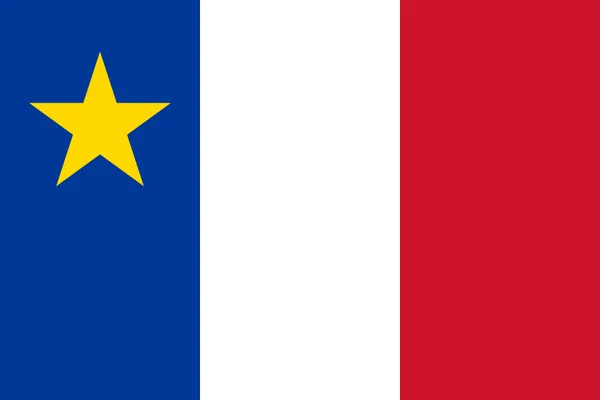
The Acadians (French: Acadiens) are the descendants of 17th and 18th century French settlers in parts of Acadia (French: Acadie) in the northeastern region of North America comprising what is now the Canadian Maritime Provinces of New Brunswick, Nova Scotia and Prince Edward Island, the Gaspé peninsula in eastern Québec, and the Kennebec River in southern Maine. The settlers whose descendants became Acadians primarily came from the southwestern and northern regions of France, historically known as Occitania and Normandy while some Acadians are claimed to be descended from the Indigenous peoples of the region. Historically, the Acadians have been associated with the first settlers of Poitou, Angoumois, Aunis and Saintonge, however recent genealogical research has shown that many also came from northern France, from provinces such as Normandy and Brittany. Today, due to assimilation, some Acadians may share other ethnic ancestries as well. The history of the Acadians was significantly influenced by the six colonial wars that took place in Acadia during the 17th and 18th centuries (see the four French and Indian Wars, Dummer's War and Father Le Loutre's War). Eventually, the last of the colonial wars—the French and Indian War—resulted in the British Expulsion of the Acadians from the region. After the war, many Acadians came out of hiding or returned to Acadia from the British colonies. Others remained in France and some migrated from there to Louisiana, where they became known as Cajuns, a corruption of the word Acadiens or Acadians. The nineteenth century saw the beginning of the Acadian Renaissance and the publication of Evangeline, which helped galvanize Acadian identity. In the last century, Acadians have made achievements in the areas of equal language and cultural rights as a minority group in the Maritime Provinces of Canada.
Also on this shelf
Farmer's Exchange.
French Braille.
See also
Uncatalogued shelfText from Wikipedia; plate via Wikimedia Commons. Text CC BY-SA 4.0; plate freely licensed (see Commons). Source record. Images and catalogue data are reproduced from open-access collections.