Writing and Printing
Character encoding
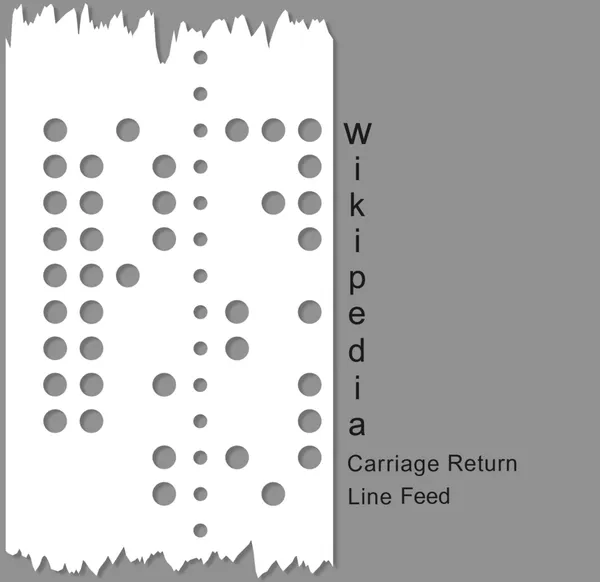
Character encoding is a convention of using a numeric value to represent each character of a writing script. Not only can a character set include natural language symbols, but it can also include codes that have meanings or functions outside of language, such as control characters and whitespace. Character encodings have also been defined for some constructed languages. When encoded, character data can be stored, transmitted, and transformed by a computer. The numerical values that make up a character encoding are known as code points and collectively comprise a code space or a code page. Early character encodings that originated with optical or electrical telegraphy and in early computers could only represent a subset of the characters used in languages, sometimes restricted to upper case letters, numerals and limited punctuation. Over time, encodings capable of representing more characters were created, such as ASCII, ISO/IEC 8859, and Unicode encodings such as UTF-8 and UTF-16. The most popular character encoding on the World Wide Web is UTF-8, which is used in 99.0% of surveyed web sites, as of September 2026. In application programs and operating system tasks, both UTF-8 and UTF-16 are popular options.
Also on this shelf
Cherokee (Unicode block).
Egyptian language.
See also
Uncatalogued shelfText from Wikipedia; plate via Wikimedia Commons. Text CC BY-SA 4.0; plate freely licensed (see Commons). Source record. Images and catalogue data are reproduced from open-access collections.