Writing and Printing
Ahom–Meitei relations
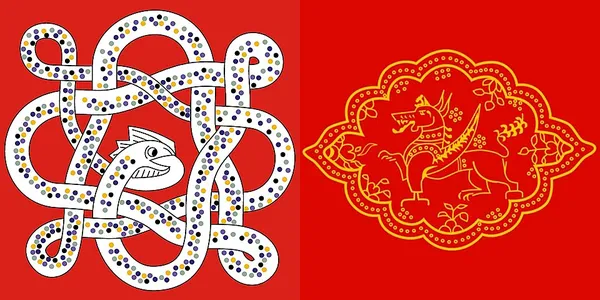
The Ahom people (alias Tai Ahoms) and Meitei people (alias Manipuris), integral to the histories of Assam and Manipur respectively, have a long history of political, cultural, and economic interactions. The Ahoms, of Tai origin, established the Ahom Kingdom, which later became the modern state of Assam. The Meiteis ruled the Kangleipak Kingdom, which evolved into present-day Manipur state. Their relationship involved trade, diplomatic exchanges, cultural interactions, and occasional conflicts, influenced by geographical proximity and shared cultural elements, contributing to the historical development of both regions. According to scholar J. Roy, the relationship between the Ahom kingdom of Assam and the Meitei kingdom of Manipur was consistently cordial. A coin issued by Ahom king Swarga-deo Pramatha Singh in 1746 CE was discovered in Manipur, suggesting active commercial relations between the two kingdoms at that time. Despite Manipur facing invasions from neighboring states on various occasions, the Ahom kingdom did not engage in military actions against it. The Swargadeos, or Ahom rulers, maintained diplomatic alliances with the Meitei kings and had frequent marital ties with the Meitei royal family. However, following the usurpation of authority by the Burha Gohain, all forms of interaction with Manipur were suspended due to the latter's support for Gaurinath. This led to the blockage of trade routes and the cessation of commercial activities.
Also on this shelf
Aram (Nahapet).
Camel case.
See also
Uncatalogued shelfText from Wikipedia; plate via Wikimedia Commons. Text CC BY-SA 4.0; plate freely licensed (see Commons). Source record. Images and catalogue data are reproduced from open-access collections.