Writing and Printing
Ho language
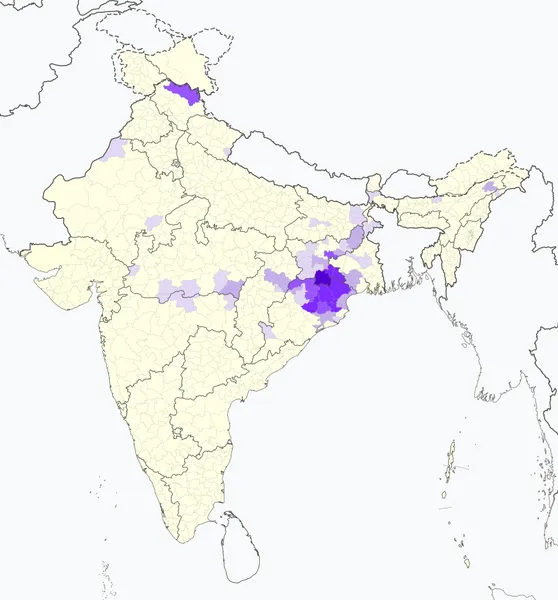
Ho (Warang Chiti: 𑢹𑣉𑣉 𑣎𑣋𑣜, Ho pronunciation: [hoː dʑägär]) is a Munda language of the Austroasiatic language family spoken primarily in India by about 2.2 million people (0.202% of India's population) per the 2001 census. It is spoken by the Ho, Munda, Kolha and Kol tribal communities of Jharkhand, Odisha, West Bengal and Assam and is written using Warang Chiti script. Devanagari, Latin and Odia script are also used, although native speakers are said to prefer Warang Chiti, invented by Lako Bodra. The name Ho is derived from the native word hoo meaning human being, with cognates in its sister languages hoṛo in Mundari, ho̠ṛ in Santali and koro in Korku. Ho is closely related to Mundari and Santali. Ho and Mundari are often described as sister languages. Ho is closer to the Hasadaḱ dialect of Mundari than the other varieties spoken in Jharkhand. While being ethnically and linguistically close, Ho and Mundari speakers form distinct regional identities.
Also on this shelf
History of Iowa.
Al Jazirah (newspaper).
See also
Uncatalogued shelfText from Wikipedia; plate via Wikimedia Commons. Text CC BY-SA 4.0; plate freely licensed (see Commons). Source record. Images and catalogue data are reproduced from open-access collections.