Writing and Printing
History of Pennsylvania
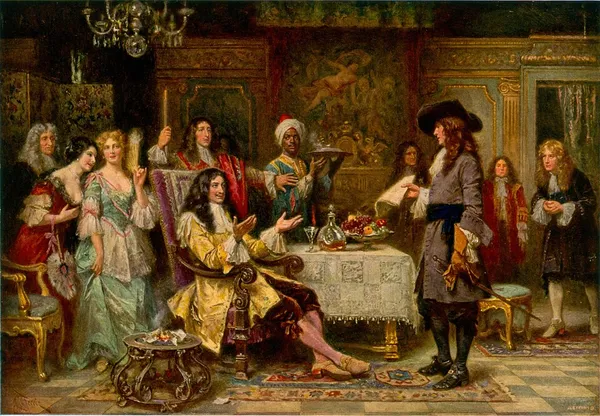
The history of Pennsylvania is traceable to the first modern indigenous peoples that occupied the area of present-day Pennsylvania. These included the Lenape, Susquehannocks, Haudenosaunee, Erie, Massawomeck, Shawnee and other Native American tribes. In the early 17th century the area on the east side of the Delaware River was claimed by both the Dutch and the Swedes. Dutch presence was limited to Fort Beversreede, a trading post located in present-day Philadelphia. The Dutch abandoned the fort in 1651 due to Swedish encroachment. In 1655, the Swedes surrendered control of the area to New Netherland, but in 1664 the Dutch surrendered New Netherland to the British. In 1681, Pennsylvania became a British colony when William Penn received a royal deed from King Charles II of England. Penn, a Quaker, established his colony based on religious tolerance. It was settled by many Quakers along with Philadelphia, its largest city, which was also the first planned city. In the mid-1700s, the colony attracted many German and Scots-Irish immigrants. Most of the Indigenous tribes were driven off or reduced to remnants as a result of diseases, such as smallpox. While each of the Thirteen Colonies contributed to the American Revolution, Pennsylvania, and especially Philadelphia, was a center for the early planning and eventual launch of rebellion against King George III and the Kingdom of Great Britain, which was then the most powerful political and military empire in the world. Philadelphia served as the capital of the new United States between New York City and the establishment of Washington, D.C.. During the 19th century, Pennsylvania established its northwestern, northeastern, and southwestern borders, and Pittsburgh emerged as one of the nation's largest and most prominent cities of the day. The state played an important role in the Union's victory in the American Civil War. Following the war, Pennsylvania grew into a Republican political stronghold and a major manufacturing and transportation center. During the 20th century, following the Great Depression in the 1930s and World War II in the 1940s, Pennsylvania moved away from being dominated by industry and farming and towards the service and financial sectors economically and became a swing state politically.
Also on this shelf
History of the Philippines (1946–1965).
History of Nahuatl.
See also
Uncatalogued shelfText from Wikipedia; plate via Wikimedia Commons. Text CC BY-SA 4.0; plate freely licensed (see Commons). Source record. Images and catalogue data are reproduced from open-access collections.