Writing and Printing
Ancient Semitic-speaking peoples
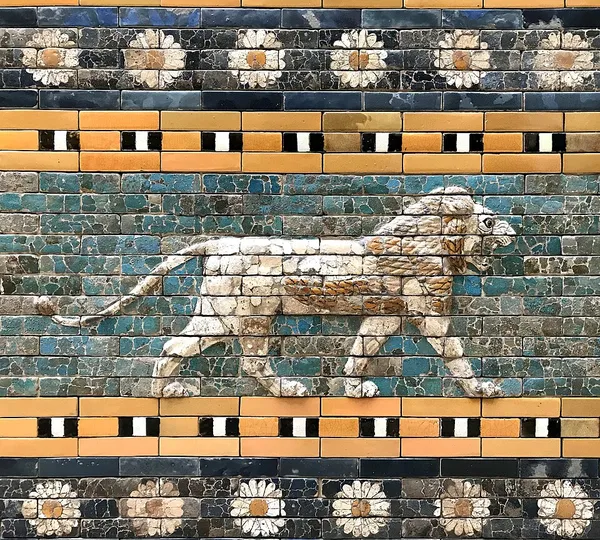
Ancient Semitic-speaking peoples or Proto-Semitic people were speakers of Semitic languages who lived throughout the ancient Near East and North Africa, including the Levant, Mesopotamia, Anatolia, the Arabian Peninsula and Carthage from the 3rd millennium BC until the end of antiquity, with some, such as Arabs, Arameans, Assyrians, Jews, Mandaeans, Samaritans and Amharic/Ethio-Semitic speakers having a historical continuum into the present day. Their languages are usually divided into two main branches: East and West Semitic. The oldest attested forms of Semitic date to the early to mid-3rd millennium BCE (the Early Bronze Age) in Mesopotamia, the northwest Levant and southeast Anatolia. Perhaps the earliest attested inscription of any Semitic language was written in the Proto-Sinaitic script in King Unas' Tomb in Egypt around the middle of the 3rd millennium BCE. Speakers of East Semitic included the people of the Akkadian Empire, Ebla, Assyria and Babylonia, but the branch's languages have since fallen out of use. Akkadian influenced East Aramaic and perhaps Dilmun. West Semitic includes Central Semitic, which combines the Northwest Semitic languages and Arabic. Speakers of Northwest Semitic were the Canaanites (including the Phoenicians, Carthaginians, Amorites, Edomites, Moabites and the Hebrews/Israelites), the Arameans and the Ugarites. Arabic, Aramaic, Hebrew and Maltese remain spoken to this day. Another major Central Semitic language, Old South Arabian languages, were spoken in the southern Arabian Peninsula in civilizations such as Sheba, Magan, Ubar and possibly Meluhha, and the speakers of Modern South Arabian languages of Yemen, Oman and the Ethiopian Semitic languages. Many of the groups discussed in this article are known through traditional ethnographic categories inherited from biblical, classical or political sources both ancient and modern. Modern scholarship often emphasizes the complex nature of ancient identities in the same way people can keep true to multiple nationalities or speak multiple languages simultaneously. Linguistic, cultural, political, and ethnic boundaries did not always coincide, and should not necessarily be understood as corresponding to discrete or homogeneous "peoples".
Also on this shelf
Hakka Chinese.
Exponentiation.
See also
Uncatalogued shelfText from Wikipedia; plate via Wikimedia Commons. Text CC BY-SA 4.0; plate freely licensed (see Commons). Source record. Images and catalogue data are reproduced from open-access collections.