Textiles and Dress
Cross-dressing
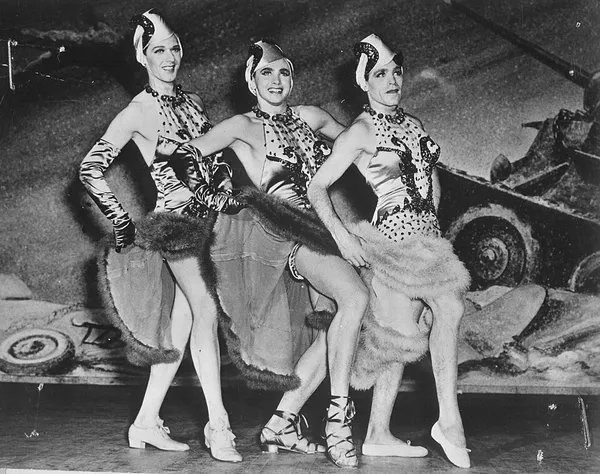
Cross-dressing means wearing clothes traditionally or stereotypically associated with a different gender, such as men wearing women's clothes, or women wearing men's clothes. It is a form of dress or presentation rather than any particular gender identity, sexual orientation, or motivation, and has appeared in many societies across history for reasons including disguise, comfort, self-expression, ritual, and performance. Cross-dressing is not the same as being transgender, though older writings often used broader and less precise terminology that grouped different experiences together. The term and its related vocabulary have changed over time. In modern usage, cross-dressing is generally preferred to older terms such as transvestism or transvestite, which were historically used in medical and psychiatric contexts and are often regarded as outdated or offensive. It has also been regulated or criminalised in various places, with laws against cross-dressing historically used to enforce gender norms and to target transgender and gender-nonconforming people. Cross-dressing has played a notable role in theatre, religion, entertainment, and popular culture, including traditions such as kabuki, drag, and British pantomime. Socialization establishes social norms among the people of a particular society. With regard to the social aspects of clothing, such standards may reflect guidelines relating to the style, color, or type of clothing that individuals are expected to wear. Such expectations may be delineated according to gender roles. Cross-dressing involves dressing contrary to the prevailing standards (or in some cases, laws) for a person of their gender in their own society. For thousands of years, people have cross-dressed in order to disguise themselves or be recognised as another gender, for reasons varying from comfort, entertainment, or self-expression. Cross-dressing has appeared in theater performance traditions globally, including kabuki and drag, as well as British pantomime, where it is traditionally utilized for comedic effect.
Also on this shelf
Back closure.
Culture of Australia.
See also
Uncatalogued shelfText from Wikipedia; plate via Wikimedia Commons. Text CC BY-SA 4.0; plate freely licensed (see Commons). Source record. Images and catalogue data are reproduced from open-access collections.