Textiles and Dress
Ku Klux Klan
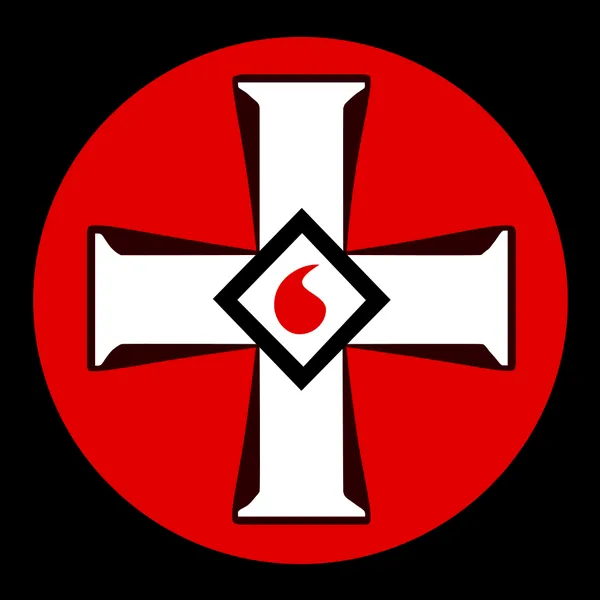
The Ku Klux Klan (KKK; ), sometimes referred to as the Klan, is an American white supremacist and far-right hate group that is associated with terrorism. Historians widely identify it as one of the earliest terrorist groups in the United States, citing its organized use of violence and intimidation to influence political and social conditions, particularly in the post-Civil War South. Across its three major iterations, the Klan has operated as a secret society made up of multiple affiliated organizations that used threats, assaults, and killings to advance their aims. Over its various eras, its targets included African Americans, Jews, Catholics, and immigrants. The first Klan emerged during Reconstruction, founded by former Confederate soldiers who opposed federal efforts to extend civil and political rights to formerly enslaved people. It carried out widespread violence against black voters, officeholders, and their white allies in an effort to undermine Republican state governments and restore white Democratic control in the South. Federal Enforcement Acts and prosecutions beginning in 1871 significantly weakened this iteration. A second Klan, founded in 1915 and reaching its peak in the 1920s, expanded beyond the South and attracted millions of members from segments of the native-born white Protestant population. It promoted nativism, racial segregation, and "100 percent Americanism," and engaged in intimidation and, at times, mob violence. A third wave arose in the mid-20th century in response to the civil rights movement; although smaller, it included groups that carried out acts of racial terror aimed at resisting desegregation and racial equality. Despite differences in size and structure, all iterations shared core ideological elements, including white supremacy, racial segregation, and hostility toward perceived outsiders. Over time, Klan groups espoused positions associated with white nationalism, anti-immigration nativism, antisemitism, anti-Catholicism, anti-atheism, anti-communism, homophobia, Islamophobia, and opposition to civil rights reforms. Some members framed their activities as defending "Americanism" and Christian morality, and certain local chapters sought social respectability through parades, charitable events, and political organizing.
Also on this shelf
"Weird Al" Yankovic.
André Courrèges.
See also
Uncatalogued shelfText from Wikipedia; plate via Wikimedia Commons. Text CC BY-SA 4.0; plate freely licensed (see Commons). Source record. Images and catalogue data are reproduced from open-access collections.