Textiles and Dress
Folklore
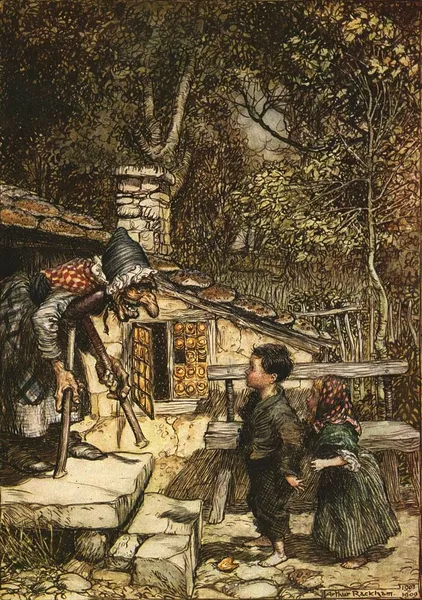
Folklore is the body of expressive culture shared by a particular group of people, culture or subculture. This includes oral traditions such as tales, legends, proverbs, poems, and jokes. This also includes material culture, such as traditional building styles common to the group. Folklore also encompasses customary lore, taking actions for folk beliefs, including folk religion, and the forms and rituals of celebrations such as festivals, weddings, folk dances, and initiation rites. Each one of these, either singly or in combination, is considered a folklore artifact or traditional cultural expression. Just as essential as the form, folklore can also encompasses the transmission of these artifacts from one region to another or from one generation to the next. Folklore is not something one typically gains from a formal school curriculum or fine arts study. Instead, these traditions are passed along informally from one individual to another, either through verbal instruction or demonstration. The academic study of folklore is called folklore studies or folkloristics, and it can be explored at the undergraduate, graduate, and Ph.D. levels.
Also on this shelf
Andean textiles.
Game pieces of the Lewis chessmen hoard.
See also
Uncatalogued shelfText from Wikipedia; plate via Wikimedia Commons. Text CC BY-SA 4.0; plate freely licensed (see Commons). Source record. Images and catalogue data are reproduced from open-access collections.