Textiles and Dress
Chinoiserie
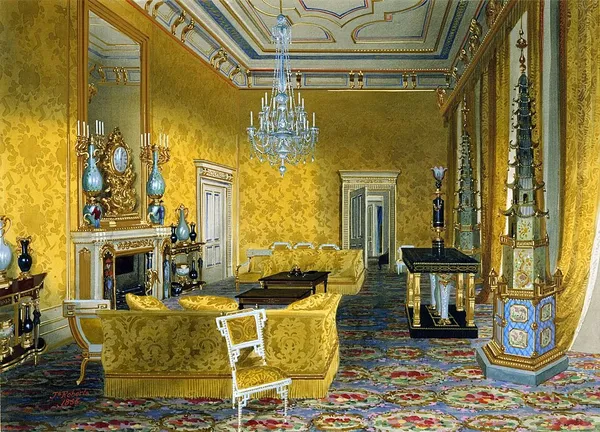
Chinoiserie (English: ; French: [ʃinwazʁi] ; loanword from French chinoiserie, from chinois, "Chinese"; traditional Chinese: 中國風; simplified Chinese: 中国风; pinyin: Zhōngguófēng; lit. 'China style') is the European interpretation and imitation of Chinese and other Sinosphere artistic traditions, especially in the decorative arts, garden design, architecture, literature, theatre, and music. The aesthetic of chinoiserie has been expressed in different ways depending on the region. It is related to the broader current of Orientalism, which studied Far East cultures from a historical, philological, anthropological, philosophical, and religious point of view. First appearing in the 17th century, this trend was popularized in the 18th century due to the rise in trade with China (during the High Qing era) and the rest of East Asia. As a style, chinoiserie is related to the Rococo style. Both styles are characterized by exuberant decoration, asymmetry, a focus on materials, and stylized nature and subject matter that focuses on leisure and pleasure. Chinoiserie focuses on subjects that were thought by Europeans to be typical of Chinese culture.
Also on this shelf
Embroidery (horse).
Bhutanese art.
See also
Uncatalogued shelfText from Wikipedia; plate via Wikimedia Commons. Text CC BY-SA 4.0; plate freely licensed (see Commons). Source record. Images and catalogue data are reproduced from open-access collections.