Textiles and Dress
Blót
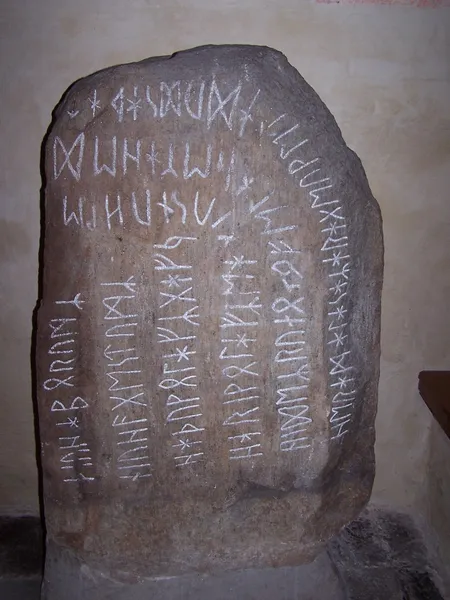
Blót (Old Norse and Old English) or geblōt (Old English) are religious ceremonies in Germanic paganism that centred on the killing and offering of an animal to a particular being, typically followed by the communal cooking and eating of its meat. Old Norse sources present it as a central ritual in Old Nordic religion that was intimately connected with many wider aspects of life. Large blót are often described as taking place in halls, organised by the rulers of the region who were expected to carry out the practice on behalf of the people. Blót were central to the legitimacy of rulers and Christian rulers refusing to hold them were at times replaced by more willing alternatives and driven out of the land. Smaller, household blót were sometimes recorded as being led by women. Beyond strengthening legitimacy for the ruling elites, the performance of blót was often to ensure the fertility of the land, a good harvest and peace, although they are also recorded as being performed for divination or to achieve desired results in legal matters. After the establishment of Christianity, blót were routinely made punishable offences, as seen in early Germanic legal codes, with the recipients of the worship and sacrifice often equated with demons. Despite this, some aspects of the practice were likely incorporated into local Christian culture and continued into the modern period. The conscious performing of blót has also been revived in the modern period as part of the practice of modern heathens.
Also on this shelf
African textiles.
Christmas jumper.
See also
Uncatalogued shelfText from Wikipedia; plate via Wikimedia Commons. Text CC BY-SA 4.0; plate freely licensed (see Commons). Source record. Images and catalogue data are reproduced from open-access collections.