Textiles and Dress
Hijab
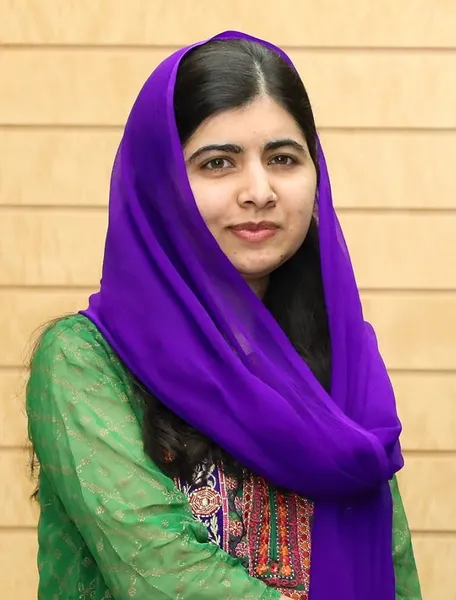
The Hijab (Arabic: حجاب, romanized: ḥijāb, pronounced [ħɪˈdʒaːb]) is a term which signifies, within the Islamic literature, an inner sense of modesty, bashfulness, and reserve traditionally sanctified as haya, which is reflected in codes of dress and behavioral standards. It is also commonly used today to refer simply to the headscarf worn by Muslim women that covers the hair, neck, and ears while leaving the face exposed. Furthermore, within the framework of different interpretations or local understandings, this word can denote forms of covering that go beyond the headscarf whether more comprehensive or more relaxed. Traditional Muslim women's clothing style, determined by numerous interactions including tradition, necessities of life, geography and climate, and Islamic advice literature etc, has been reshaped through the hijab, presented as Islamic clothing in response to Western cultural influence; grown globally since the 1970s, with religious Muslims viewing it as a symbol of modesty and faith or a form of adornment. In the history of early Islamic practices —which serves as an ultimate model for many— the term hijab was used not to denote a style of dress, but rather to refer to a section of the house separated by a curtain (as exemplified in the Qur'an Al-Aḥzāb; 53) or a form of sentiment. Regarding women's attire, the Qur'an employs only the terms "khimār" —which some translators and exegetes prefer to render as "headscarf"— and jilbāb, an outer garment, in a few specific verses. These verses did not contain details regarding who should observe the practice of veiling, under what circumstances, in whose presence, or to what extent. These questions were raised by Islamic jurists in later periods and were answered and codified through a combination of anecdotes attributed to Muhammad and their own independent legal reasoning ijtihad. While Islamic scholars who follow classical jurisprudence argue that covering the head is a religious requirement in women's clothing, modernist thinkers and the Quran-centric approach that considers these sources to lack informational value do not consider it among Islamic obligations.
Also on this shelf
Kangilu.
Bala Bodhisattva.
See also
Uncatalogued shelfText from Wikipedia; plate via Wikimedia Commons. Text CC BY-SA 4.0; plate freely licensed (see Commons). Source record. Images and catalogue data are reproduced from open-access collections.