Textiles and Dress
Byzantine silk
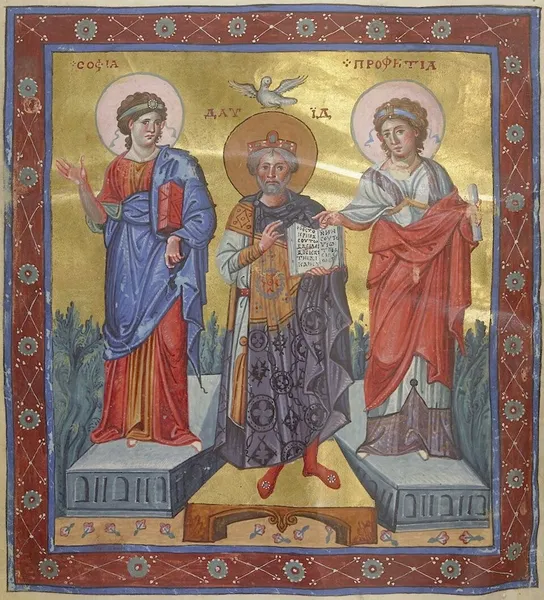
Byzantine silk is silk woven in the Byzantine Empire (Byzantium) from about the fourth century until the Fall of Constantinople in 1453. The Byzantine capital of Constantinople was the first significant silk-weaving center in Europe. Silk was one of the most important commodities in the Byzantine economy, used by the state both as a means of payment and of diplomacy. Raw silk was bought from China and made up into fine fabrics that commanded high prices throughout the world. Later, silkworms were smuggled into the Empire and the overland silk trade gradually became less important. After the reign of Justinian I, the manufacture and sale of silk became an imperial monopoly, only processed in imperial factories, and sold to authorized buyers. Byzantine silks are significant for their brilliant colours, use of gold thread, and intricate designs that approach the pictorial complexity of embroidery in loom-woven fabric. Byzantium dominated silk production in Europe throughout the Early Middle Ages, until the establishment of the Italian silk-weaving industry in the 12th century and the conquest and break-up of the Byzantine Empire in the Fourth Crusade (1204).
Also on this shelf
Business action on climate change.
Bahag (garment).
See also
Uncatalogued shelfText from Wikipedia; plate via Wikimedia Commons. Text CC BY-SA 4.0; plate freely licensed (see Commons). Source record. Images and catalogue data are reproduced from open-access collections.