Textiles and Dress
Culture of Africa
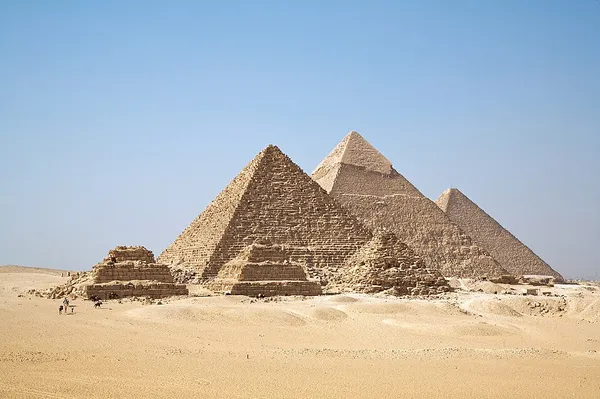
The culture of Africa is varied and manifold, consisting of a mixture of countries with various peoples depicting their unique characteristic and trait from the continent of Africa. It is a product of the diverse populations that inhabit the continent of Africa and the African diaspora. Generally, Culture can be defined as a collective mass of distinctive qualities belonging to a certain group of people. These qualities include laws, morals, beliefs, knowledge, art, customs, and any other attributes belonging to a member of that society. Culture is the way of life of a group of people. Africa has numerous ethnic nationalities all with varying qualities such as language, dishes, greetings, dressing, dances and music. However, each of the regions of Africa share a series of dominant cultural traits which distinguish various African regional cultures from each other and the rest of the world. For example, social values, religion, morals, political values, economics, and aesthetic values all contribute to various African cultures. Expressions of culture are abundant within Africa, with large amounts of cultural diversity being found not only across different countries but also within single countries. Even though within various regions, the cultures are widely diverse, they are also, when closely studied, seen to have many similarities; for example, the morals they uphold, their love and respect for their culture, as well as the strong respect they hold for the aged and the important, i.e. kings and chiefs. Africa has influenced and been influenced by other continents. This can be portrayed in the willingness to adapt to the ever-changing modern world rather than staying rooted in their static culture. The Westernized few, persuaded by American culture and Christianity, first denied African traditional culture, but with the increase of African nationalism, a cultural recovery occurred. The governments of most African nations encourage national dance and music groups, museums, and to a lower degree, artists and writers. 90% to 95% of Africa's cultural heritage is held outside of Africa by large museums. In a BBC report on defining factors of identity, "50-60% of British black African/Caribbean respondents, agreed that ethnicity played a key role, the largest of any group.
Also on this shelf
Francisco Goya's tapestry cartoons.
Flapper.
See also
Uncatalogued shelfText from Wikipedia; plate via Wikimedia Commons. Text CC BY-SA 4.0; plate freely licensed (see Commons). Source record. Images and catalogue data are reproduced from open-access collections.