Science and Medicine
Aristotle's biology
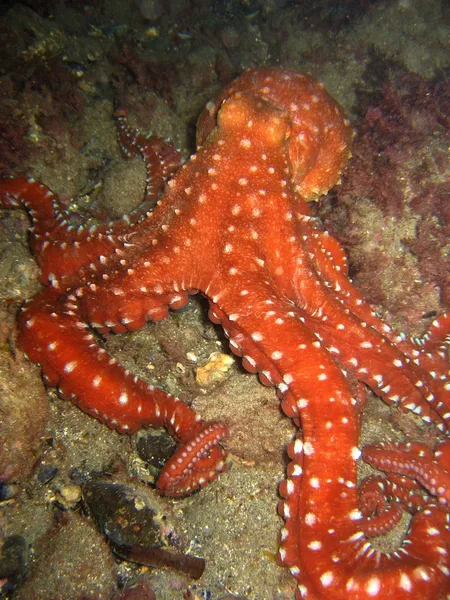
Aristotle's biology is the theory of biology, grounded in systematic observation and collection of data, mainly zoological, embodied in Aristotle's books on the science. Many of his observations were made during his stay on the island of Lesbos, including especially his descriptions of the marine biology of the Pyrrha lagoon, now the Gulf of Kalloni. His theory is based on his concept of form, which derives from but is markedly unlike Plato's theory of Forms. The theory describes five major biological processes, namely metabolism, temperature regulation, information processing, embryogenesis, and inheritance. Each was defined in detail, in some cases enough allowing modern biologists to construct mathematical models of the mechanisms described. Aristotle's method, too, resembled the style of science used by modern biologists when exploring a new area, with systematic data collection, discovery of patterns, and inference of possible causal explanations from these. He did not perform experiments in the modern sense, but made observations of living animals and carried out dissections. He names some 500 species of bird, mammal, and fish; and he distinguishes dozens of insects and other invertebrates. He describes the internal anatomy of over a hundred animals, and dissected around 35 of these. Aristotle's writings on biology, the first in the history of science, are scattered across several books, forming about a quarter of his writings that have survived. The main biology texts were the History of Animals, Generation of Animals, Movement of Animals, Progression of Animals, Parts of Animals, and On the Soul, as well as the lost drawings of The Anatomies which accompanied the History. Apart from his pupil, Theophrastus, who wrote a matching Enquiry into Plants, no research of comparable scope was carried out in ancient Greece, though Hellenistic medicine in Egypt continued Aristotle's inquiry into the mechanisms of the human body. Aristotle's biology was influential in the medieval Islamic world. Translation of Arabic versions and commentaries into Latin brought knowledge of Aristotle back into Western Europe, but the only biological work widely taught in medieval universities was On the Soul.
Also on this shelf
Department of Health and Family Welfare (Kerala).
Giuseppe Bastianelli.
See also
Uncatalogued shelfText from Wikipedia; plate via Wikimedia Commons. Text CC BY-SA 4.0; plate freely licensed (see Commons). Source record. Images and catalogue data are reproduced from open-access collections.