Science and Medicine
Embryology
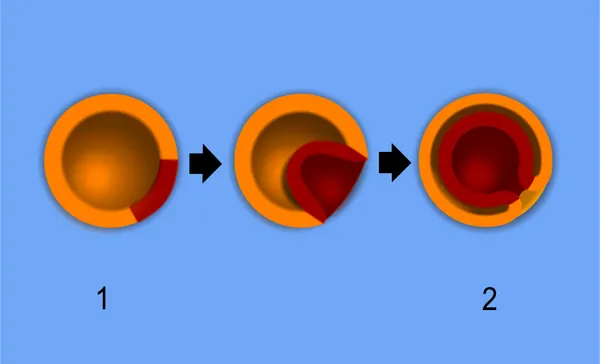
Embryology (from Greek ἔμβρυον, embryon, 'the unborn, embryo'; and -λογία, -logia) is the branch of zoology that studies the prenatal development of gametes (sex cells), fertilization and development of embryos and fetuses. It is a subset of, and predecessor to, developmental biology. Embryology includes teratology, the study of congenital disorders that occur before birth. Early embryology, put forward by Marcello Malpighi, was preformationist in concept: based on the idea that organisms develop from pre-existing miniature versions of themselves. The theory now accepted, epigenesis, is the idea that organisms develop from seed or egg in a sequence of steps. This concept was proposed in antiquity by Aristotle. Modern embryology developed from the work of Karl Ernst von Baer, though accurate observations had been made in Italy by anatomists such as Ulisse Aldrovandi and Leonardo da Vinci in the Renaissance.
Also on this shelf
AIDS Walk.
William A. Hagins.
See also
Uncatalogued shelfText from Wikipedia; plate via Wikimedia Commons. Text CC BY-SA 4.0; plate freely licensed (see Commons). Source record. Images and catalogue data are reproduced from open-access collections.