Science and Medicine
Fern
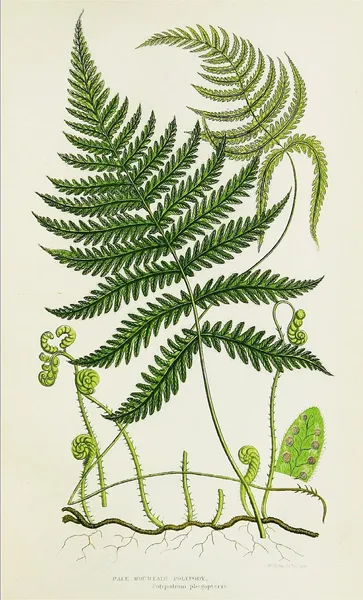
Ferns (Polypodiopsida or Polypodiophyta) are a group of vascular plants that reproduce via spores and have neither seeds nor flowers. They reproduce in two phases, a short-lived gametophyte that reproduces sexually to develop a spore-bearing leaf structure. Some ferns produce coiled fiddleheads, which expand into fronds. The group includes over 10,500 extant species. The Polypodiopsida consist of both the leptosporangiate (Polypodiidae) and eusporangiate ferns, the latter group including horsetails, whisk ferns, marattioid ferns and ophioglossoid ferns. The fern crown group is estimated to have originated c. 423 million years ago (mya), during the late Silurian period and the rapid radiation of land plants, but Polypodiales, the group that makes up 80% of living fern diversity, did not appear and diversify until the Cretaceous (c. 143 to 66 mya), contemporaneous with the heightened diversification of flowering plants. Some fern species, such as bracken (Pteridium aquilinum) and water fern (Azolla filiculoides), are significant weeds worldwide, and brackens are carcinogenic. Ferns are not of major economic importance, but some are used as food, medicine, and ornamental plants. They also play a role in human culture.
Also on this shelf
German Army (1935–1945).
Burke and Hare murders.
See also
Uncatalogued shelfText from Wikipedia; plate via Wikimedia Commons. Text CC BY-SA 4.0; plate freely licensed (see Commons). Source record. Images and catalogue data are reproduced from open-access collections.