Science and Medicine
Female genital mutilation
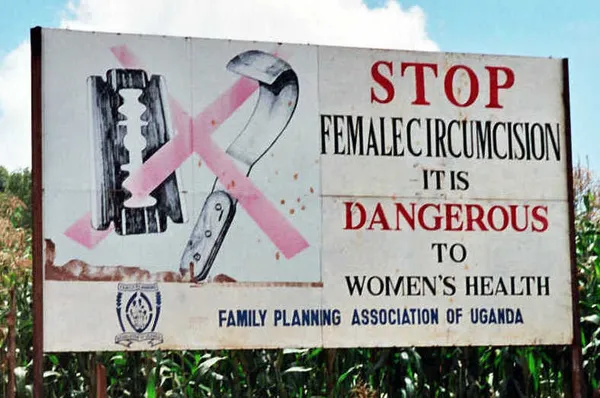
Female genital mutilation (FGM) (also known as female genital cutting, female genital mutilation/cutting (FGM/C) and female circumcision) is the cutting or removal of some or all of the vulva for non-medical reasons. FGM prevalence varies worldwide, but is significantly present in some countries of Africa, Asia, and the Middle East, and within their diasporas. As of 2024, UNICEF estimates that more than 230 million girls and women worldwide had been subjected to one or more types of FGM, including over 144 million in Africa, over 80 million in Asia, over 6 million in the Middle East, and another 1–2 million in small practising communities and countries of migration elsewhere. This total was 30 million (15%) higher than UNICEF's 2016 estimate; although FGM is not becoming more common globally, UNICEF notes that progress towards eliminating the practice remains too slow and is being outpaced by population growth, particularly where FGM is most prevalent. Typically carried out by a traditional cutter using a blade, FGM is conducted from days after birth to puberty and beyond. In half of the countries for which national statistics are available, most girls are cut before the age of five. Procedures differ according to the country or ethnic group. They include removal of the clitoral hood (type 1-a) and clitoral glans (1-b); removal of the inner labia (2-a); and removal of the inner and outer labia and closure of the vulva (type 3). In this last procedure, known as infibulation, a small hole is left for the passage of urine and menstrual fluid, the vagina is opened for intercourse and opened further for childbirth. FGM is commonly performed without any form of anesthesia or analgesia and with non-medical equipment such as razor blades. The practice is rooted in gender inequality, attempts to control female sexuality, religious beliefs and ideas about purity, modesty, and beauty. It is usually initiated and carried out by women, who see it as a source of honour, and who fear that failing to have their daughters and granddaughters cut will expose the girls to social exclusion. Adverse health effects depend on the type of procedure; they can include recurrent infections, difficulty urinating and passing menstrual flow, chronic pain, the development of cysts, an inability to get pregnant, complications during childbirth, and fatal bleeding.
Also on this shelf
21st Century Cures Act.
Amputation.
See also
Uncatalogued shelfText from Wikipedia; plate via Wikimedia Commons. Text CC BY-SA 4.0; plate freely licensed (see Commons). Source record. Images and catalogue data are reproduced from open-access collections.