Science and Medicine
1924 Los Angeles pneumonic plague outbreak
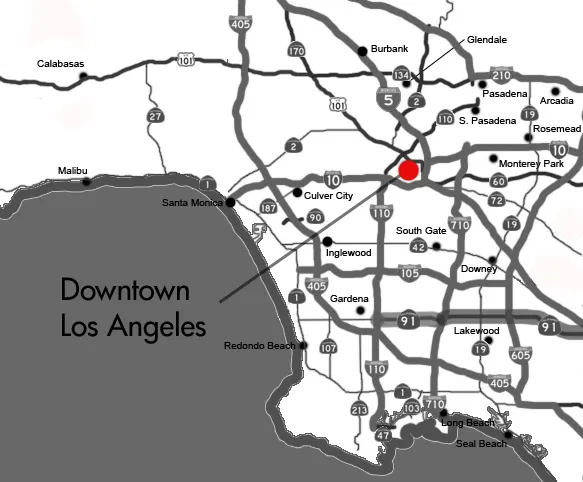
The 1924 Los Angeles pneumonic plague outbreak was an outbreak of the pneumonic plague in Los Angeles, California that began on September 28, 1924, and was declared fully contained on November 13, 1924. It represented the first time that the plague had emerged in Southern California since plague outbreaks had previously surfaced in San Francisco and Oakland. The suspected reason for this outbreak was a rat epizootic where squirrels that were found to be plague infected were secondarily infected by rats. Due to the evidence of infected squirrels near San Luis Obispo County as late as July 1924 and the migration habits of both squirrels and rats, it is thought that squirrels were the original source of the plague outbreak in Los Angeles. The outbreak killed 30 people and infected several more. Public health officials credited the lessons learned from the San Francisco outbreak with saving lives, and swiftly implemented preventative measures, including hospitalization of the sick and all their contacts, a neighborhood quarantine, and a large-scale rat eradication program. The epicenter of the plague was in the Macy Street District, primarily home to Mexican immigrants, which was also known as "Little Mexico". Racism against Mexican Americans tainted the reaction to the plague, an issue not made public until the outbreak concluded. This outbreak was the last instance of aerosol transmission of the plague and the last major plague outbreak in the United States.
Also on this shelf
COVID-19 pandemic in Ukraine.
COVID-19 hospital.
See also
Uncatalogued shelfText from Wikipedia; plate via Wikimedia Commons. Text CC BY-SA 4.0; plate freely licensed (see Commons). Source record. Images and catalogue data are reproduced from open-access collections.