Science and Medicine
Food safety
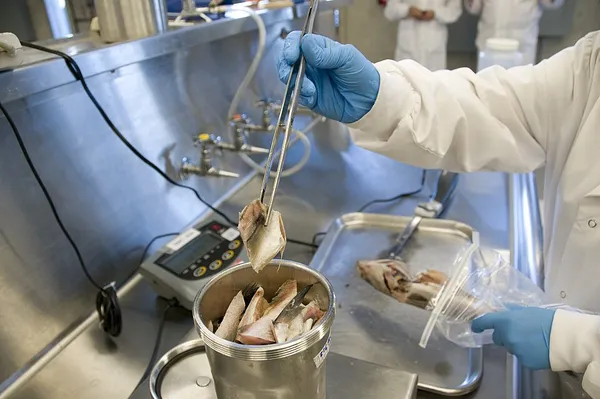
Food safety (or food hygiene) is a scientific method describing handling, preparation, and storage of food in a way or ways that prevent foodborne illness. Food contamination consists of harmful substances in food that can make it unsafe to eat. There are types of contaminations that consist of biological, chemical, and physical contamination. The occurrence of two or more cases of similar illness resulting from the ingestion of a common food is known as a food-borne disease outbreak. Food safety includes a number of routines that should be followed to avoid potential health hazards. In this way, food safety often overlaps with food defense to prevent harm to consumers. The tracks within this line of thought are safety between industry and the market and then between the market and the consumer. In considering industry-to-market practices, food safety considerations include the origins of food including the practices relating to food labeling, food hygiene, food additives and pesticide residues; as well as policies on biotechnology and food and guidelines for the management of governmental import and export inspection and certification systems for foods. In considering market-to-consumer practices, the usual thought is that food ought to be safe in the market and the concern is safe delivery and preparation of the food for the consumer. Food safety, nutrition and food security are closely related. Unhealthy food creates a cycle of disease and malnutrition that affects infants and adults as well. Food can transmit pathogens, which can result in the illness or death of the person or other animals. The main types of pathogens are bacteria, viruses, parasites, and fungus. The World Health Organization estimated that foodborne pathogens cause 600 million cases of diseases and 420,000 deaths per year. Food can also serve as a growth and reproductive medium for pathogens. In developed countries, there are intricate standards for food preparation, whereas in lesser developed countries there are fewer standards and less enforcement of those standards. Food poisoning cannot be completely avoided due to the number of persons involved in the supply chain, as well as the fact that pathogens can be introduced into foods.
Also on this shelf
Anatomy.
Favelas in the city of São Paulo.
See also
Uncatalogued shelfText from Wikipedia; plate via Wikimedia Commons. Text CC BY-SA 4.0; plate freely licensed (see Commons). Source record. Images and catalogue data are reproduced from open-access collections.