Science and Medicine
Ixodes holocyclus
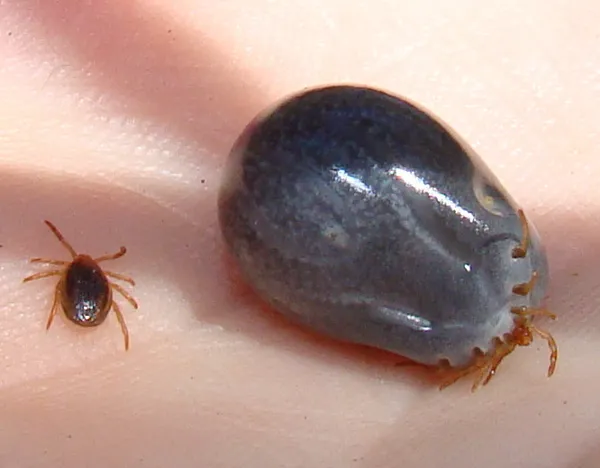
Ixodes holocyclus, commonly known as the Australian paralysis tick, is one of about 75 species in the Australian tick fauna and is considered the most medically important. It can cause paralysis by injecting neurotoxins into its host. It is usually found in a 20-kilometre wide band following the eastern coastline of Australia. Within that range, Ixodes holocyclus is the tick most frequently encountered by humans and their pets. Because the same area includes Australia's most densely populated regions, bites on people, pets and livestock are relatively common. Paralysis ticks are found in many types of habitat, particularly areas of high rainfall such as wet sclerophyll forest and temperate rainforest. The natural hosts for the paralysis tick include koalas, bandicoots, possums and kangaroos.
Also on this shelf
Glanders.
António Egas Moniz.
See also
Uncatalogued shelfText from Wikipedia; plate via Wikimedia Commons. Text CC BY-SA 4.0; plate freely licensed (see Commons). Source record. Images and catalogue data are reproduced from open-access collections.