Science and Medicine
Ascending cholangitis
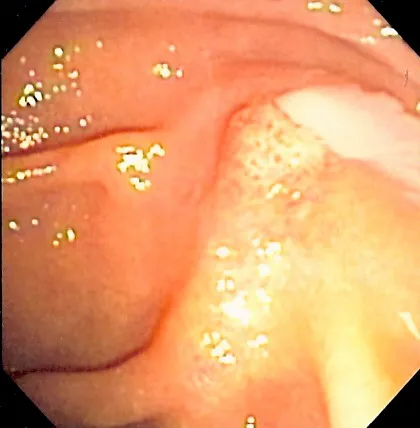
Ascending cholangitis, also known as acute cholangitis or simply cholangitis, is inflammation of the bile duct, usually caused by bacteria ascending from its junction with the duodenum (first part of the small intestine). It tends to occur if the bile duct is already partially obstructed by gallstones. Cholangitis can be life-threatening, and is regarded as a medical emergency. Characteristic symptoms include yellow discoloration of the skin or whites of the eyes, fever, abdominal pain, and in severe cases, low blood pressure and confusion. Initial treatment is with intravenous fluids and antibiotics, but there is often an underlying problem (such as gallstones or narrowing in the bile duct) for which further tests and treatments may be necessary, usually in the form of endoscopy to relieve obstruction of the bile duct. The word is from Greek chol-, bile + ang-, vessel + -itis, inflammation.
Also on this shelf
2008 United States salmonellosis outbreak.
Jeannette Vega.
See also
Uncatalogued shelfText from Wikipedia; plate via Wikimedia Commons. Text CC BY-SA 4.0; plate freely licensed (see Commons). Source record. Images and catalogue data are reproduced from open-access collections.