Science and Medicine
2011 Germany E. coli O104:H4 outbreak
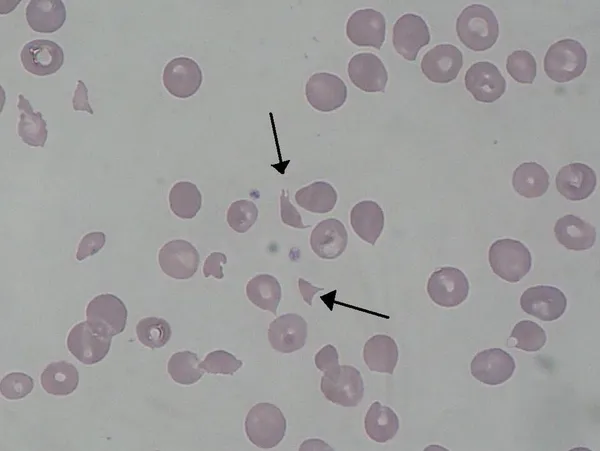
A novel strain of Escherichia coli O104:H4 bacteria caused a serious outbreak of foodborne illness focused in northern Germany in May through June 2011. The illness was characterized by bloody diarrhea, with a high frequency of serious complications, including hemolytic–uremic syndrome (HUS), a condition that requires urgent treatment. The outbreak was originally thought to have been caused by an enterohemorrhagic (EHEC) strain of E. coli, but it was later shown to have been caused by an enteroaggregative E. coli (EAEC) strain that had acquired the genes to produce Shiga toxins, present in organic fenugreek sprouts. Epidemiological fieldwork suggested fresh vegetables were the source of infection. The agriculture minister of Lower Saxony identified an organic farm in Bienenbüttel, Lower Saxony, Germany, which produces a variety of sprouted foods, as the likely source of the E. coli outbreak. The farm was shut down. Although laboratories in Lower Saxony did not detect the bacterium in produce, a laboratory in North Rhine-Westphalia later found the outbreak strain in a discarded package of sprouts from the suspect farm. A control investigation confirmed the farm as the source of the outbreak. On 30 June 2011, the German Bundesinstitut für Risikobewertung (BfR) (Federal Institute for Risk Assessment), an institute of the German Federal Ministry of Food, Agriculture and Consumer Protection, announced that seeds of organic fenugreek imported from Egypt were likely the source of the outbreak. In all, 3,950 people were affected and 53 died, 51 of whom were in Germany. 800 people suffered hemolytic–uremic syndrome (HUS), which can lead to kidney failure. A handful of cases were reported in several other countries including Switzerland, Poland, the Netherlands, Sweden, Denmark, the UK, Canada and the USA. Essentially all affected people had been in Germany or France shortly before becoming ill. Initially, German officials made incorrect statements on the likely origin and strain of Escherichia coli. The German health authorities, without results of ongoing tests, incorrectly linked the O104 serotype to cucumbers imported from Spain. Later, they recognised that Spanish greenhouses were not the source of the E. coli and cucumber samples did not contain the specific E. coli variant causing the outbreak.
Also on this shelf
Impact of the COVID-19 pandemic on motorsport.
2017 Democratic Republic of the Congo Ebola outbreak.
See also
Uncatalogued shelfText from Wikipedia; plate via Wikimedia Commons. Text CC BY-SA 4.0; plate freely licensed (see Commons). Source record. Images and catalogue data are reproduced from open-access collections.