Science and Medicine
Equine influenza
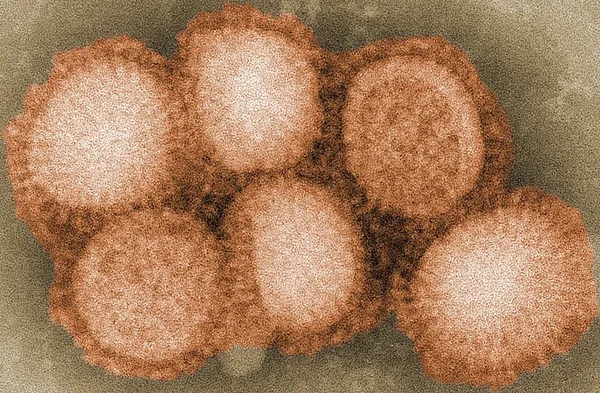
Equine influenza (horse flu) is the disease caused by strains of influenza A that are enzootic in horse species. Equine influenza occurs globally, previously caused by two main strains of virus: equine-1 (H7N7) and equine-2 (H3N8). The World Organisation for Animal Health now considers H7N7 strains likely to be extinct since these strains have not been isolated for over 20 years. Predominant international circulating H3N8 strains are Florida sublineage of the American lineage; clade 1 predominates in the Americas and clade 2 in Europe. (Elton and Cullinane, 2013; Paillot, 2014; Slater et al., 2013). The disease has a nearly 100% infection rate in an unvaccinated horse population with no prior exposure to the virus. While equine influenza is historically not known to affect humans, impacts of past outbreaks have been devastating due to the economic reliance on horses for communication (postal service), military (cavalry), and general transportation. In modern times the ramifications of equine influenza are most clear in the horse-racing industry.
Also on this shelf
Columbia University College of Physicians and Surgeons.
Colony of Liberia.
See also
Uncatalogued shelfText from Wikipedia; plate via Wikimedia Commons. Text CC BY-SA 4.0; plate freely licensed (see Commons). Source record. Images and catalogue data are reproduced from open-access collections.