Science and Medicine
Crimean–Congo hemorrhagic fever
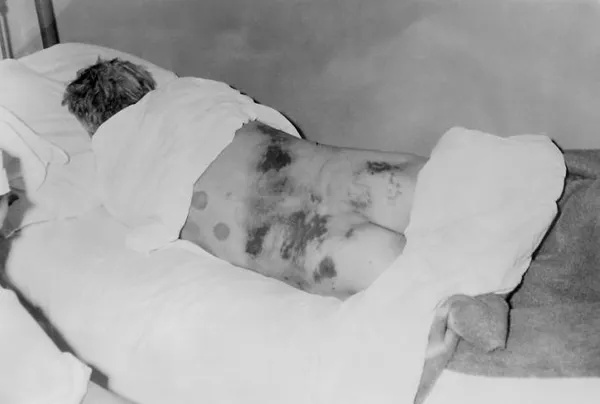
Crimean–Congo hemorrhagic fever (CCHF) is a viral disease. Symptoms of CCHF may include fever, muscle pains, headache, vomiting, diarrhea, and bleeding into the skin. Onset of symptoms is less than two weeks following exposure. Complications may include liver failure. Survivors generally recover around two weeks after onset. CCHF is a tick-borne disease. The causative agent of CCHF is the CCHF virus, which belongs to the genus Orthonairovirus. This virus was initially detected in the 1940s, when Soviet troops and local civilians in Crimea experienced a severe hemorrhagic illness. Decades later, during the 1960s, a similar virus was identified in Kisangani, today in the Democratic Republic of Congo. The two viruses were found to share antigenic properties, leading to their classification under the unified name Crimean-Congo Hemorrhagic Fever Virus (CCHFV). The CCHFV is typically spread by tick bites or close contact with the blood, secretions, organs or other bodily fluids of infected persons or animals. Groups that are at high risk of infection are farmers and those who work in slaughterhouses. The virus can also spread between people via body fluids. Diagnosis can be made by detecting antibodies, the virus's RNA, or viral proteins (antigens). It is a type of viral hemorrhagic fever where both reduced platelet count and disruption of coagulation of pathway contribute to hemorrhage. There are no FDA- or WHO-approved therapeutics for CCHF, and a vaccine is not commercially available. Prevention involves avoiding tick bites, following safe practices in meat processing plants, and observing universal healthcare precautions. Treatment is typically with supportive care, and while the medication ribavirin is often used, as of 2023, there is not sufficient, high-quality evidence of its efficacy. CCHF is a geographically widespread viral hemorrhagic fever, found in Eastern and Southern Europe, the Mediterranean, northwestern China, central Asia, Africa, the Middle East, and the Indian subcontinent. It is typically found in regions south of the 50th parallel north. Typically small outbreaks are seen in areas where the virus is endemic. In 2013 Iran, Russia, Turkey, and Uzbekistan documented more than 50 cases.
Also on this shelf
Botulism.
Conflict epidemiology.
See also
Uncatalogued shelfText from Wikipedia; plate via Wikimedia Commons. Text CC BY-SA 4.0; plate freely licensed (see Commons). Source record. Images and catalogue data are reproduced from open-access collections.