Science and Medicine
Disaster response
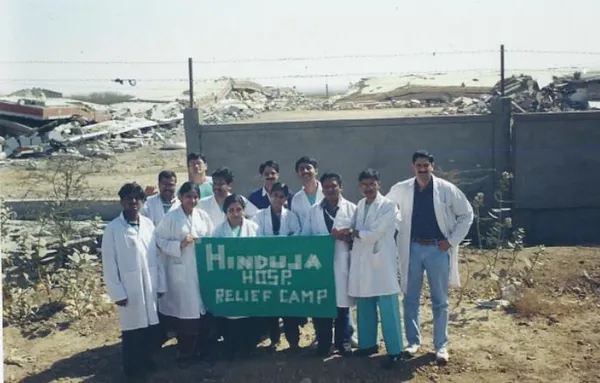
Disaster response refers to the actions taken directly before, during, or immediately after a disaster. The objective is to save lives, ensure health and safety, and meet the subsistence needs of the people affected. It includes warning and evacuation, search and rescue, providing immediate assistance, assessing damage, continuing assistance, and the immediate restoration or construction of infrastructure. An example of this would be building provisional storm drains or diversion dams. Emergency response aims to provide immediate help to keep people alive, improve their health and support their morale. It can involve specific but limited aid, such as helping refugees with transport, temporary shelter, and food, or it can involve establishing semi-permanent settlements in camps and other locations. It may also involve initial repairs to damage to infrastructure, or diverting it. The response phase focuses on keeping people safe, preventing the next disasters and meeting people's basic needs until more permanent and sustainable solutions are available. The governments where the disaster has happened have the main responsibility for addressing these needs. Humanitarian organisations are often present in this phase of the disaster management cycle. This is especially true in places where the government does not have the resources for a full response.
Also on this shelf
2009 swine flu pandemic vaccine.
History of biology.
See also
Uncatalogued shelfText from Wikipedia; plate via Wikimedia Commons. Text CC BY-SA 4.0; plate freely licensed (see Commons). Source record. Images and catalogue data are reproduced from open-access collections.