Science and Medicine
Citizen science
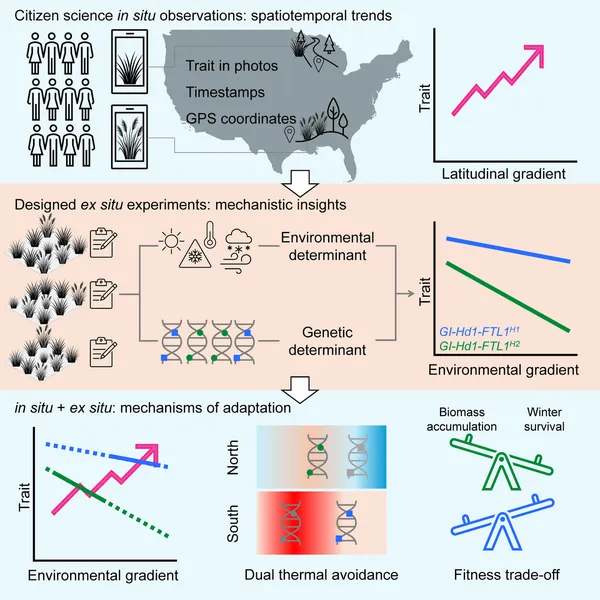
Citizen science is research conducted with the participation of the general public, amateur or nonprofessional researchers, or participants from the fields of science, social science, and many other disciplines. The exact definition of "citizen science" varies, with different individuals and organizations having their own specific interpretations of its scope. Citizen science is employed in a wide range of areas of study, including ecology, biology, conservation, health and medical research, astronomy, media and communications, and information science. The applications and functions of citizen science in research projects are multifaceted. Citizen science can be used as a methodology in which public volunteers help in data collection and classification, thereby improving the scientific community's capacity. Citizen science observations can be used to uncover general trends in native habitats across broad spatial and temporal scales, extending data collection beyond the capacity of individual researchers. These observations can then be integrated with findings from designed experiments to provide a more complete understanding of natural variation and ecological processes. Citizen science can also involve more direct involvement from the public, with communities initiating projects researching environment and health hazards within their own communities. Participation in citizen science projects also educates the public about the scientific process and increases awareness about different topics. Some schools incorporate citizen science projects as part of their teaching curricula for this very purpose. More recently, libraries have also emerged as community hubs for citizen science.
Also on this shelf
Acne.
Dissection.
See also
Uncatalogued shelfText from Wikipedia; plate via Wikimedia Commons. Text CC BY-SA 4.0; plate freely licensed (see Commons). Source record. Images and catalogue data are reproduced from open-access collections.