Science and Medicine
Endemic COVID-19
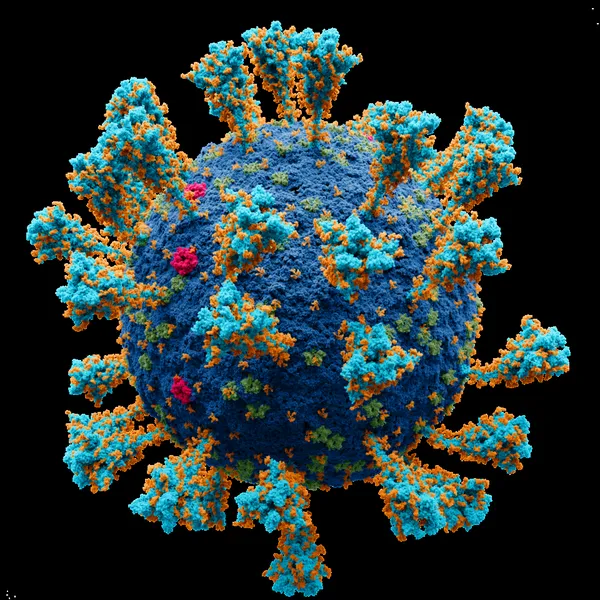
COVID-19 is an endemic disease according to most experts. Unlike a pandemic, an endemic disease occurs at predictable and manageable levels. This transition has made COVID-19 data more difficult to track. The observed behavior of SARS-CoV-2, the virus that causes COVID-19, suggests it is unlikely to die out, and the lack of a COVID-19 vaccine that provides long-lasting immunity against infection means it cannot immediately be eradicated; thus, transition to an endemic phase was probable. In an endemic phase, people continue to become infected and ill, but in relatively stable numbers. Such a transition was thought to take years or decades. Precisely what would constitute an endemic phase is contested. The word endemic is frequently misunderstood and misused outside the realm of epidemiology. Endemic does not mean mild, or that COVID-19 must become a less hazardous disease. The severity of endemic disease would be dependent on various factors, including the evolution of the virus, population immunity, and vaccine development and rollout. COVID-19 endemicity is distinct from the COVID-19 public health emergency of international concern, which was ended by the World Health Organization on 5 May 2023. Some politicians and commentators conflated what they termed endemic COVID-19 with the lifting of public health restrictions or a comforting return to pre-pandemic normality. The transition point of a pandemic into an endemic state is not well-defined, and whether this has occurred differs according to the definitions used.
Also on this shelf
Biosafety.
Friedrich Wilhelm Raiffeisen.
See also
- ▸Israeli airstrikes on municipal services in the Gaza Strip
- ▸Clothing in the ancient world
- ▸Governorship of Charlie Baker
Text from Wikipedia; plate via Wikimedia Commons. Text CC BY-SA 4.0; plate freely licensed (see Commons). Source record. Images and catalogue data are reproduced from open-access collections.