Science and Medicine
Hantavirus pulmonary syndrome
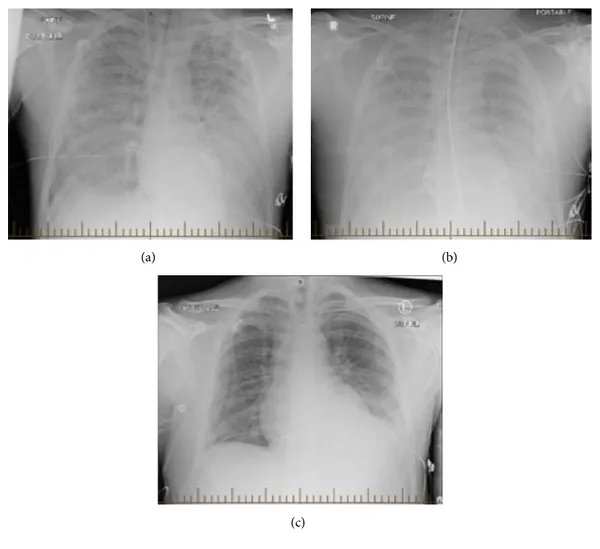
Hantavirus pulmonary syndrome (HPS), also called hantavirus cardiopulmonary syndrome (HCPS), is a severe respiratory disease caused by hantavirus infection. The main features of illness are microvascular leakage and acute respiratory distress syndrome. Symptoms occur anywhere from one to eight weeks after exposure to the virus and come in three distinct phases. First, there is an early phase with flu-like symptoms such as fever, muscle aches, headache, and shortness of breath, as well as low platelet count. Second, there is a cardiopulmonary phase during which people experience elevated or irregular heart rate, cardiogenic shock, and pulmonary capillary leakage, which can lead to respiratory failure, low blood pressure, and buildup of fluid in the lungs and chest cavity. The final phase is recovery, which typically takes months, but difficulties with breathing can persist for up to two years. The disease has a case fatality rate of 30 to 60 percent. Death usually occurs suddenly during the cardiopulmonary phase. HPS is caused mainly by infection with New World hantaviruses in the Americas. In North America, Sin Nombre virus is the most common cause of HPS and is transmitted by the western deer mouse. In South America, Andes virus is the most common cause of HPS and is transmitted mainly by the long-tailed pygmy rice rat. In their rodent hosts, these hantaviruses cause a persistent, asymptomatic infection. Transmission occurs mainly through inhalation of aerosols that contain rodent saliva, urine, or feces, but can also occur through contaminated food, bites, and scratches. Vascular endothelial cells and macrophages are the primary cells infected by hantaviruses, and infection causes abnormalities with blood clotting, all of which result in fluid leakage responsible for the more severe symptoms. Recovery from infection likely confers lifelong protection. The main way to prevent infection is to avoid or minimize contact with rodents that carry hantaviruses. Removing sources of food for rodents, safely cleaning up after them, and preventing them from entering one's house are all important means of protection. People who are at risk of interacting with infected rodents can wear masks to protect themselves. No vaccines exist that protect against HPS. Initial diagnosis of infection can be made based on epidemiological information and symptoms.
Also on this shelf
Cholera Monument Grounds and Clay Wood.
Infectious diseases (medical specialty).
See also
Uncatalogued shelfText from Wikipedia; plate via Wikimedia Commons. Text CC BY-SA 4.0; plate freely licensed (see Commons). Source record. Images and catalogue data are reproduced from open-access collections.