Science and Medicine
Health effects of electronic cigarettes
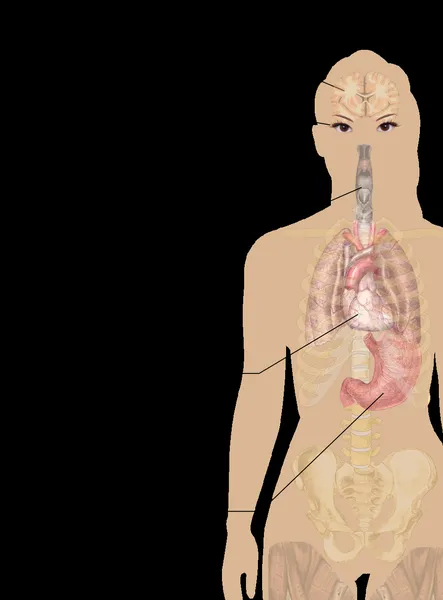
Nicotine electronic cigarettes (“e-cigs” or “vapes”) can damage people's health, especially children's, but are far less harmful than smoking. Electronic cigarettes increase the risk of asthma and chronic obstructive pulmonary disease (COPD) compared to not using nicotine at all. Pregnant women vaping may increase the risk of their children suffering from asthma and COPD. Vaping is associated with heart failure, and can cause seizures. Unregulated or modified e-cigs or liquids may be more dangerous than those whose production is well-regulated. Misuse, accidents, and product malfunction issues increase risks such as nicotine poisoning, contact with liquid nicotine, and severe burns. Some of the most common but less serious adverse effects include abdominal pain, headache, blurry vision, throat and mouth irritation, vomiting, nausea, and coughing. People can become dependant on vapes. Nicotine is addictive and harmful to fetuses, children, and young people. However vaping while pregnant is less dangerous than smoking while pregnant. Passive e-cigarette vapor exposure may be harmful to children, but more studies are needed as of 2026. Randomized controlled trials have provided "high-certainty" evidence that e-cigarettes containing nicotine are more effective than nicotine replacement therapy for discontinuing tobacco smoking, and moderate‐certainty evidence that they are more effective than e-cigarettes free of nicotine.
Also on this shelf
Danylo Halytsky Lviv National Medical University.
Ernst von Bergmann.
See also
Uncatalogued shelfText from Wikipedia; plate via Wikimedia Commons. Text CC BY-SA 4.0; plate freely licensed (see Commons). Source record. Images and catalogue data are reproduced from open-access collections.