Science and Medicine
Adhesive capsulitis of the shoulder
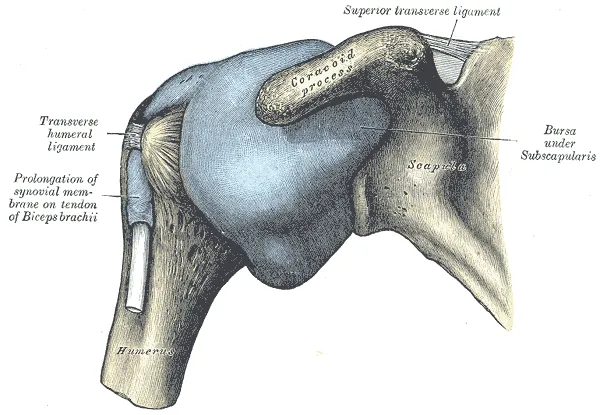
Adhesive capsulitis, also known as "frozen shoulder," is a condition characterized by shoulder pain and stiffness. Onset is gradual over weeks to months. A common shoulder ailment, adhesive capsulitis is marked by pain at rest but especially upon movement, as well as a decrease in passive range of motion (particularly in external rotation). The shoulder often does not hurt when touched (non-tender). The exact cause in most cases is unknown. Post-traumatic stiffness after injury or surgery to the shoulder is best considered separately from adhesive capsulitis, which is idiopathic, meaning there are no known causes. The underlying mechanism is believed to involve inflammation and scarring within the shoulder joint capsule, but the cause is unknown. Diagnosis is generally based on a person's symptoms and a physical exam. A key feature that can distinguish adhesive capsulitis from similar conditions is the inability of others to move the shoulder, in addition to the loss of voluntary movement (a loss of both active and passive ranges of motion). This is in contrast to most muscle, tendon, and nerve disorders, where only the active range of motion is limited. Radiographs can exclude glenohumeral arthritis as the source of the loss of passive motion. Imaging is otherwise not used for diagnosis or evaluation. The role of MRI or ultrasound is debatable. The condition can sometimes resolve itself over time without intervention, but this may take several years, and results are better when it is treated. There are a number of non-procedural treatments, including nonsteroidal anti-inflammatory drugs, physical therapy, and oral or injected steroids. Surgery is an option for those who do not improve after other treatments. Additional methods of treatment include nerve block, high pressure saline injection, plasma injection, and extracorporeal shockwave therapy. Frozen shoulder is most common in people 40–60 years of age. It is also significantly more common in women. Major risk factors include diabetes and thyroid disease. Approximately 2-5% of people have adhesive capsulitis at any given time.
Also on this shelf
Epidural administration.
COVID-19 pandemic in South Asia.
See also
Uncatalogued shelfText from Wikipedia; plate via Wikimedia Commons. Text CC BY-SA 4.0; plate freely licensed (see Commons). Source record. Images and catalogue data are reproduced from open-access collections.