Science and Medicine
Built environment
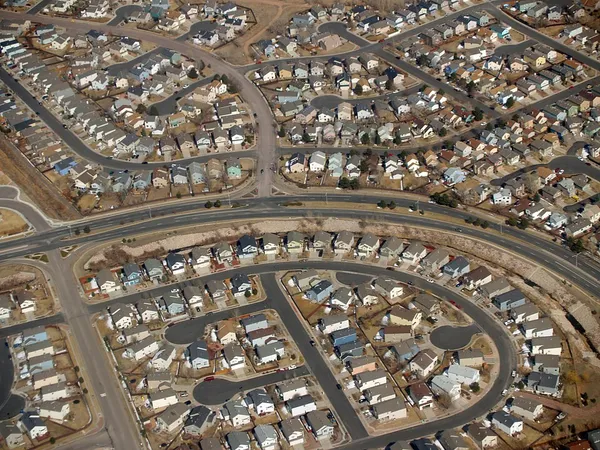
The term built environment refers to human-made conditions and is often used in architecture, landscape architecture, urban planning, public health, sociology, and anthropology, among others. These curated spaces provide the setting for human activity and were created to fulfill human desires and needs. The term can refer to a plethora of components including the traditionally associated buildings, cities, public infrastructure, transportation, open space, as well as more conceptual components like farmlands, dammed rivers, wildlife management, and even domesticated animals. The built environment is made up of physical features. However, when studied, the built environment often highlights the connection between physical space and social consequences. It impacts the environment and how society physically maneuvers and functions, as well as less tangible aspects of society such as socioeconomic inequity and health. Various aspects of the built environment contribute to scholarship on housing and segregation, physical activity, food access, climate change, and environmental racism.
Also on this shelf
Cultural effects of the Western African Ebola virus epidemic.
Grimace scale.
See also
Uncatalogued shelfText from Wikipedia; plate via Wikimedia Commons. Text CC BY-SA 4.0; plate freely licensed (see Commons). Source record. Images and catalogue data are reproduced from open-access collections.