Science and Medicine
Ebola
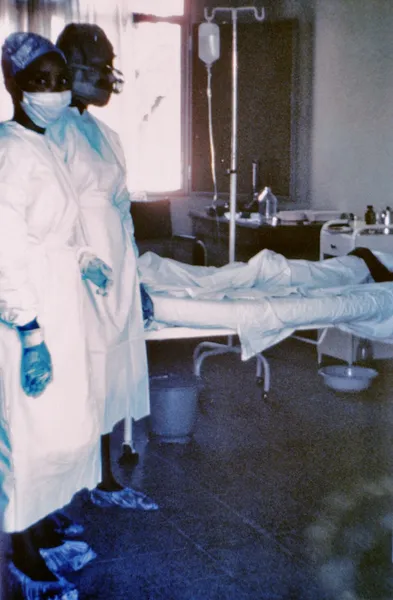
Ebola, also known as Ebola virus disease (EVD) and Ebola hemorrhagic fever (EHF), is a zoonotic viral hemorrhagic fever in humans and other primates, caused by four of the six known ebolaviruses. Symptoms typically start anywhere between two days and three weeks after infection. The first symptoms are usually fever, sore throat, muscle pain, and headaches. These are usually followed by vomiting, diarrhoea, rash, hepatic and renal dysfunction, at which point some people begin to bleed both internally and externally. Outbreaks of the disease have had a mortality rate of between 25 and 90%, averaging out at approximately 50%. The viral species involved and timing of treatment play a critical role in its prognosis. Death is often due to shock from fluid loss, and typically occurs between 6 and 16 days after the first symptoms appear. The viruses have caused intermittent outbreaks in sub-Saharan Africa since 1976 when the disease was first reported, with the largest one being the 2013–16 Western African epidemic. They spread through direct contact with body fluids, such as blood from infected humans or other animals, or from contact with items that have recently been contaminated with infected body fluids. There have been no documented cases, either in nature or under laboratory conditions, of spread through the air between humans or other primates. After recovering from Ebola, semen or breast milk may continue to carry the virus for anywhere from several weeks to several months. Fruit bats are believed to be the natural host of the viruses; they are able to spread the viruses without being affected by it. The symptoms of Ebola may resemble those of several other diseases, including malaria, cholera, typhoid fever, meningitis and other viral hemorrhagic fevers. Diagnosis is confirmed by testing blood samples for the presence of viral RNA, viral antibodies or the virus itself. Control of outbreaks requires coordinated medical services and community engagement, including rapid detection, contact tracing of those exposed, quick access to laboratory services, care for those infected, and proper disposal of the dead through cremation or burial. Prevention measures involve wearing proper protective clothing and washing hands when close to patients and while handling potentially infected bushmeat, as well as thoroughly cooking bushmeat.
Also on this shelf
Dharavi.
Cold Spring Harbor Laboratory.
See also
Uncatalogued shelfText from Wikipedia; plate via Wikimedia Commons. Text CC BY-SA 4.0; plate freely licensed (see Commons). Source record. Images and catalogue data are reproduced from open-access collections.