Science and Medicine
Asepsis
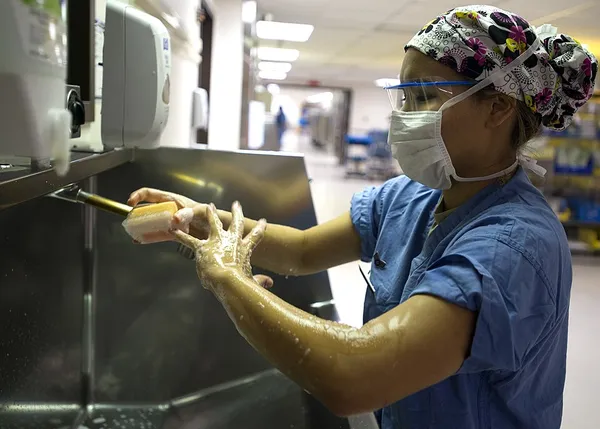
Asepsis is the state of being free from disease-causing micro-organisms (such as pathogenic bacteria, viruses, pathogenic fungi, and parasites). There are two categories of asepsis: medical and surgical. The modern day notion of asepsis is derived from the older antiseptic techniques, a shift initiated by different individuals in the 19th century who introduced practices such as the sterilizing of surgical tools and the wearing of surgical gloves during operations. The goal of asepsis is to eliminate infection, not to achieve sterility. Ideally, an operating field is sterile, meaning it is free of all biological contaminants (e.g. fungi, bacteria, viruses), not just those that can cause disease, putrefaction, or fermentation. Even in an aseptic state, a condition of sterile inflammation may develop. The term often refers to those practices used to promote or induce asepsis in an operative field of surgery or medicine to prevent infection.
Also on this shelf
Filippo Lussana.
COVID-19 Genomics UK Consortium.
See also
Uncatalogued shelfText from Wikipedia; plate via Wikimedia Commons. Text CC BY-SA 4.0; plate freely licensed (see Commons). Source record. Images and catalogue data are reproduced from open-access collections.