Science and Medicine
African swine fever virus
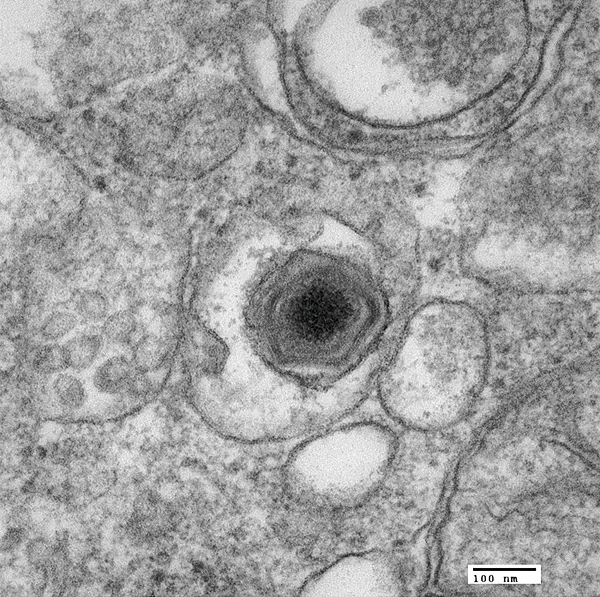
African swine fever virus (ASFV) is a large, double-stranded DNA virus in the Asfarviridae family, and the causative virus of African swine fever (ASF). The virus causes a hemorrhagic fever with high mortality rates in domestic pigs, with some isolates capable of causing death of affected animals as quickly as within a week of being infected. ASFV persistently infects its natural hosts, includingwarthogs, bushpigs, and soft ticks of the genus Ornithodoros, which likely act as a vectorwith no outward signs of disease. ASFV does not cause disease in humans. ASFV is endemic to sub-Saharan Africa and exists in the wild through a cycle of infection between ticks and wild pigs, bushpigs, humans and warthogs. The disease was first described after European settlers brought pigs into areas endemic with ASFV, and as such, is an example of an emerging infectious disease. ASFV replicates in the cytoplasm of infected cells. African Swine Fever Virus is the only virus with a double-stranded DNA genome known to be transmitted by arthropods.
Also on this shelf
Chikwe Ihekweazu.
Bernardino Larghi.
See also
Uncatalogued shelfText from Wikipedia; plate via Wikimedia Commons. Text CC BY-SA 4.0; plate freely licensed (see Commons). Source record. Images and catalogue data are reproduced from open-access collections.