Science and Medicine
Biology
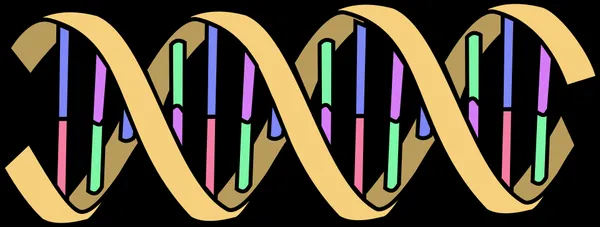
Biology is the scientific study of life and living organisms. It is a broad natural science that encompasses a wide range of fields and unifying principles that explain the structure, function, growth, origin, evolution, and distribution of life. Central to biology are five fundamental themes: the cell as the basic unit of life, genes and heredity as the basis of inheritance, evolution as the driver of biological diversity, energy transformation for sustaining life processes, and homeostasis, the maintenance of internal stability. Biology examines life across multiple levels of organization, from molecules and cells to organisms, population, and ecosystems. Subdisciplines include molecular biology, physiology, ecology, evolutionary biology, developmental biology, and systematics, among others. Each of these fields applies a range of methods to investigate biological phenomena, including observation, experimentation, and mathematical modeling. Modern biology is grounded in the theory of evolution by natural selection, first articulated by Charles Darwin, and in the molecular understanding of genes encoded in DNA. The discovery of the structure of DNA and advances in molecular genetics have transformed many areas of biology, leading to applications in medicine, agriculture, biotechnology, and environmental science. Biologists classify organisms—from single-celled archaea and bacteria to multicellular plants, fungi, and animals—based on shared characteristics and evolutionary relationships, using taxonomic and phylogenetics.
Also on this shelf
Birth control in Africa.
Health in India.
See also
- ▸Abba Gumel
- ▸Flagstaff, Arizona
- ▸Assistant Secretary of Defense for Nuclear Deterrence, Chemical, and Biological Defense Policy and Programs
Text from Wikipedia; plate via Wikimedia Commons. Text CC BY-SA 4.0; plate freely licensed (see Commons). Source record. Images and catalogue data are reproduced from open-access collections.