Science and Medicine
Climate change and children
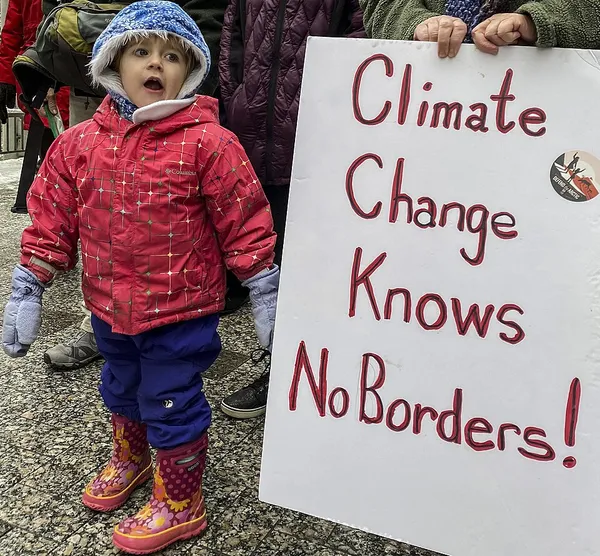
Children are more vulnerable to the effects of climate change than adults. The World Health Organization estimated that 88% of the existing global burden of disease caused by climate change affects children under five years of age. A Lancet review on health and climate change lists children as the worst-affected category by climate change. Children under 14 are 44 percent more likely to die from environmental factors, and those in urban areas are disproportionately impacted by lower air quality and overcrowding. Children are physically more vulnerable to climate change in all its forms. Climate change affects the physical health of children and their well-being. Prevailing inequalities, between and within countries, determine how climate change impacts children. Children often have no voice in terms of global responses to climate change. People living in low-income countries experience a higher burden of disease and are less capable of coping with climate change-related threats. Nearly every child in the world is at risk from climate change and pollution, while almost half are at extreme risk. According to UNICEF's 2026 Children's Climate Risk Report, around 1.1 billion children—nearly half of the world's children—are exposed to at least three overlapping climate hazards, and almost all children face at least one. The most widespread combination involves droughts, extreme heat and heatwaves, affecting 296 million children.
Also on this shelf
Herophilos.
Impact of the COVID-19 pandemic on children.
See also
Uncatalogued shelfText from Wikipedia; plate via Wikimedia Commons. Text CC BY-SA 4.0; plate freely licensed (see Commons). Source record. Images and catalogue data are reproduced from open-access collections.