Science and Medicine
History of Mexican Americans
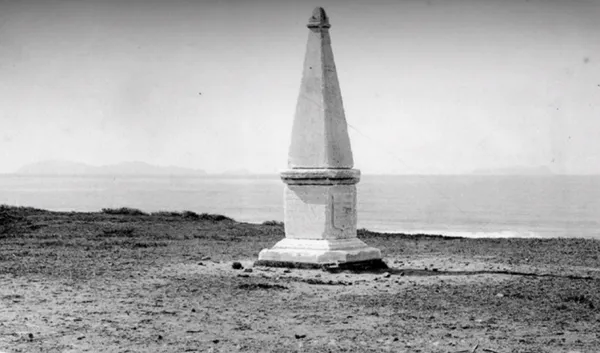
The history of Mexican Americans largely begins the aftermath of the annexation of Northern Mexico in 1848, when nearly 80,000 Mexican citizens—of what are now California, Nevada, Utah, Arizona, Colorado, and New Mexico—became U.S. citizens. Large-scale migration increased the U.S.' Mexican population during the 1910s, as refugees fled the economic devastation and violence of Mexico's revolution and civil war. Until the mid-20th century, most Mexican Americans lived within a few hundred miles of the border, although some resettled along rail lines from the Southwest into the Midwest. In the second half of the 20th century, Mexican Americans diffused throughout the U.S., especially into the Midwest and Southeast, though the groups' largest population centers remain in California and Texas. During this period, Mexican-Americans campaigned for voting rights, educational and employment equity, ethnic equality, and economic and social advancement.
Also on this shelf
Anodontosaurus.
Bacteria.
See also
Uncatalogued shelfText from Wikipedia; plate via Wikimedia Commons. Text CC BY-SA 4.0; plate freely licensed (see Commons). Source record. Images and catalogue data are reproduced from open-access collections.