Science and Medicine
Certified registered nurse anesthetist
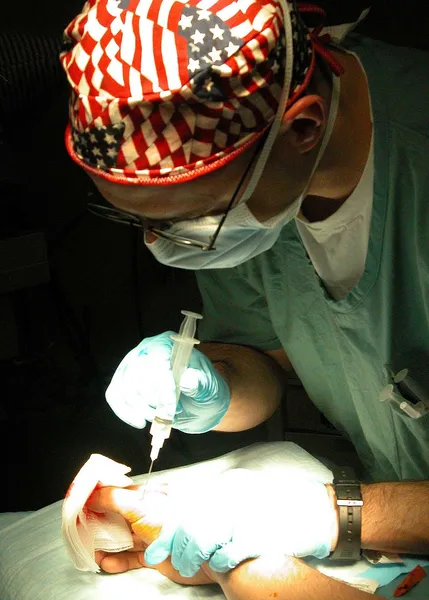
A certified registered nurse anesthetist (CRNA) is a type of advanced practice nurse who administers anesthesia in the United States. CRNAs account for approximately half of the anesthesia providers in the United States and are the main providers (80%) of anesthesia in rural America. Nurses have provided anesthesia care to patients for over 160 years, dating back to the American Civil War (1861–1865). The CRNA credential was formally established in 1956. As of 2025, CRNA schools issue a doctor of nursing anesthesia practice (DNAP) or doctor of nursing practice (DNP) degree to nurses who have completed a three-year program. Scope of practice and practitioner oversight requirements vary between healthcare facility and state, with 27 states and Guam granting complete autonomy as of 2026. In states that have opted out of supervision, the Joint Commission and CMS recognize CRNAs as licensed independent practitioners. In states requiring supervision, CRNAs have liability separate from supervising practitioners and are able to administer anesthesia independently of physicians, such as anesthesiologists.
Also on this shelf
Faisal Masud.
Infection.
See also
- ▸Friedrich Wilhelm Felix von Bärensprung
- ▸Union Meetinghouse (East Montpelier, Vermont)
- ▸Ignaz Semmelweis
Text from Wikipedia; plate via Wikimedia Commons. Text CC BY-SA 4.0; plate freely licensed (see Commons). Source record. Images and catalogue data are reproduced from open-access collections.