Science and Medicine
Chlorine-releasing compounds
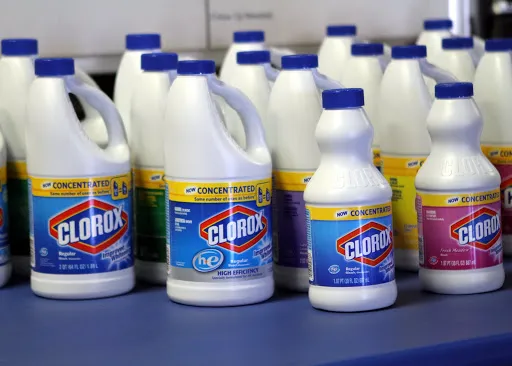
Chlorine-releasing compounds, also known as chlorine base compounds, is jargon to describe certain chlorine-containing substances that are used as disinfectants and bleaches. They include the following chemicals: sodium hypochlorite (active agent in bleach), chloramine, halazone, and sodium dichloroisocyanurate. They are widely used to disinfect water and medical equipment, and surface areas as well as bleaching materials such as cloth. The presence of organic matter can make them less effective as disinfectants. They come as a liquid solution, or as a powder that is mixed with water before use. Chlorine-releasing compounds can cause skin irritation and chemical burns to the eyes. They may also cause corrosion and therefore may require being rinsed off. Specific compounds in this family include sodium hypochlorite, monochloramine, halazone, chlorine dioxide, and sodium dichloroisocyanurate. They are effective against a wide variety of microorganisms including bacterial spores. Chlorine-releasing compounds first came into use as bleaching agents around 1785, and as disinfectants in 1915. They are on the World Health Organization's List of Essential Medicines. They are used extensively in both the medical and the food industry.
Also on this shelf
Ewald Weibel.
Anatomy.
See also
Uncatalogued shelfText from Wikipedia; plate via Wikimedia Commons. Text CC BY-SA 4.0; plate freely licensed (see Commons). Source record. Images and catalogue data are reproduced from open-access collections.