Science and Medicine
Health in Haiti
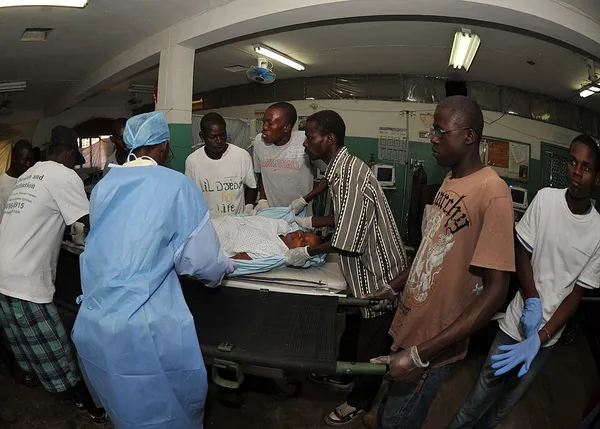
Deficient sanitation systems, poor nutrition, and inadequate health services have pushed Haiti to the bottom of the World Bank's rankings of health indicators. The World Bank reports that Haiti's infant and maternal mortality rates remain among the highest in the region, with declining preventive care coverage, particularly affecting the poorest households. Also, according to the United Nations World Food Programme, 80 percent of Haiti's population lives below the poverty line. In fact, 75% of the Haitian population lives off of $2.50 per day. Consequently, malnutrition is a significant problem. Half the population can be categorized as "food insecure," and nearly one in four children in Haiti suffer from chronic malnutrition, known as stunting, which has long-lasting physical consequences. According to the Global Nutrition Report, 21.9% of Haitian children under five years old are affected by stunting, indicating chronic malnutrition. Less than half the population has access to clean drinking water, a rate that compares poorly even with other less-developed nations. Haiti's healthy life expectancy at birth is 63 years. The World Health Organization (WHO) estimates that only 43 percent of the target population receives the recommended immunizations. This article will examine Haiti's healthcare infrastructure, prevalent public health challenges, and international initiatives aimed at enhancing health outcomes in the nation. In 2013, there were approximately 800 primary care facilities in Haiti, with only 43% of these facilities being classified as good for accessible care. Only 8% of people living in rural areas have access to one of these facilities. In terms of health care spending, Haiti ranks last in the western hemisphere. Economic instability has limited any growth in this area. Per capita, Haiti spends about US$83 annually on health care. There are 25 physicians and 11 nurses per 100,000 population. Only one-fourth of births are attended by a skilled health professional. Most rural areas have no access to health care, making residents susceptible to otherwise treatable diseases.
Also on this shelf
Ancient Iranian medicine.
Awa Marie Coll-Seck.
See also
- ▸Balmis Expedition
- ▸List of paintings by Johannes Vermeer
- ▸Biological Weapons Anti-Terrorism Act of 1989
Text from Wikipedia; plate via Wikimedia Commons. Text CC BY-SA 4.0; plate freely licensed (see Commons). Source record. Images and catalogue data are reproduced from open-access collections.