Science and Medicine
COVID-19 pandemic in Bulgaria
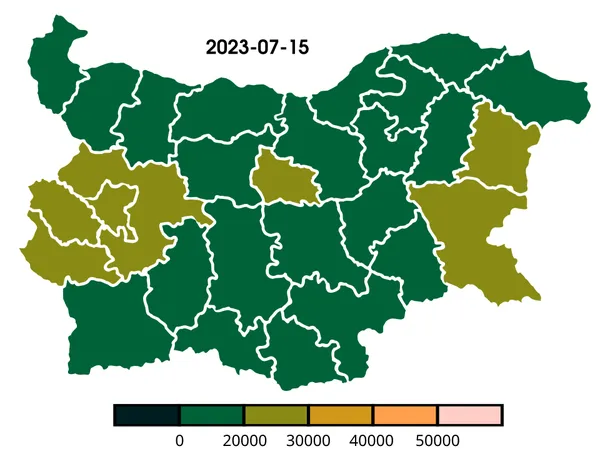
The COVID-19 pandemic in Bulgaria was a part of the worldwide pandemic of coronavirus disease 2019 (COVID-19) caused by severe acute respiratory syndrome coronavirus 2 (SARS-CoV-2). The virus was confirmed to have spread to Bulgaria when the country's first cases, a 27-year-old man from Pleven and a 75-year-old woman from Gabrovo, were confirmed on 8 March 2020. Neither of the two had traveled to areas with known coronavirus cases. The man tested positive for the virus after being hospitalized for a respiratory infection, and authorities announced plans to test several people who were in contact with the two individuals. Two other samples in Pleven and Gabrovo were positive on 8 March. Patient zero remains unknown. After the number of patients in the country had reached 23, the Bulgarian Parliament voted unanimously to declare a state of emergency from 13 March until 13 April. A 14-day preventive house quarantine was introduced for citizens who had been in contact with a COVID-19 patient or had returned from an overseas region with a high number of cases. For patients tested positive for the virus, a 21-day house quarantine was introduced. This time span was counted from the day a subsequent test came out negative after they had been treated in a hospital or at home. After the World Health Organization (WHO) had established that COVID-19 was more resilient than the initial data was showing, the National Crisis-management Staff increased the recovery house quarantine by a week to 28 days. With the continuing increase of COVID-19 cases on a daily basis, the Bulgarian government requested on 1 April that Parliament extend the state of emergency by one month until 13 May. As of 5 February 2023, a total of 4,612,386 vaccine doses have been administered.
Also on this shelf
Bureau of State Services.
Bio-MEMS.
See also
Uncatalogued shelfText from Wikipedia; plate via Wikimedia Commons. Text CC BY-SA 4.0; plate freely licensed (see Commons). Source record. Images and catalogue data are reproduced from open-access collections.