Science and Medicine
Below Poverty Line
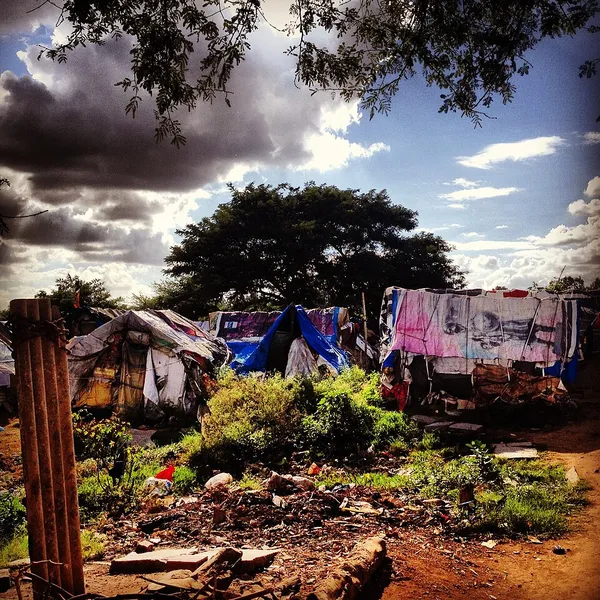
Below Poverty Line (BPL) is a benchmark used by the government of India to indicate economic disadvantage and to identify individuals and households in need of government assistance and aid. It is determined using various parameters which vary from state to state and within states. The present criteria are based on a survey conducted in 2002. Going into a survey due for a decade, India's central government is undecided on criteria to identify families below poverty line. Internationally, an income of less than ₹150 per day per head of purchasing power parity is defined as extreme poverty. By this estimate, about 12.4% of Indians are extremely poor as of year 2012. Income-based poverty lines consider the bare minimum income to provide basic food requirements; it does not account for other essentials such as health care and education. As there is no update of population estimate by the government since 2011, the data on poor people in India is not available. Estimates vary from 34 million to 373 million.
Also on this shelf
COVID-19 pandemic in Beijing.
Alfred Sommer.
See also
Uncatalogued shelfText from Wikipedia; plate via Wikimedia Commons. Text CC BY-SA 4.0; plate freely licensed (see Commons). Source record. Images and catalogue data are reproduced from open-access collections.