Science and Medicine
David Bruce (microbiologist)
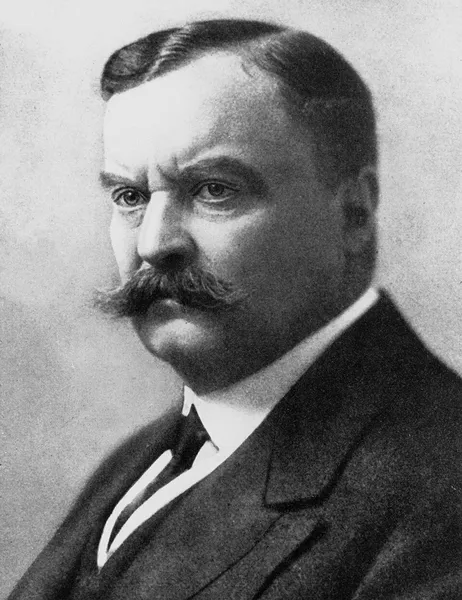
Major-General Sir David Bruce, (29 May 1855 – 27 November 1931) was a Scottish pathologist and microbiologist who made some of the key contributions in tropical medicine. In 1887, he discovered a bacterium, now called Brucella, that caused what was known as Malta fever. In 1894, he discovered a protozoan parasite, named Trypanosoma brucei, as the causative pathogen of nagana (animal trypanosomiasis). Working in the Army Medical Services and the Royal Army Medical Corps, Bruce's major scientific collaborator was his microbiologist wife Mary Elizabeth Bruce (née Steele), with whom he published around thirty technical papers out of his 172 papers. In 1886, he was chairman of the Malta Fever Commission that investigated the deadly disease, by which he identified a specific bacterium as the cause. Later, with his wife, he investigated an outbreak of animal disease called nagana in Zululand and discovered the protozoan parasite responsible for it. He led the second and third Sleeping Sickness Commission organised by the Royal Society that investigated an epidemic of human sleeping sickness in Uganda, where he established that tsetse fly was the carrier (vector) of these human and animal diseases. The bacterium, Brucella, and the disease it caused, brucellosis, along with the protozoan Trypanosoma brucei, are named in his honour.
Also on this shelf
Death of Pyotr Ilyich Tchaikovsky.
2022 Tucumán legionellosis outbreak.
See also
Uncatalogued shelfText from Wikipedia; plate via Wikimedia Commons. Text CC BY-SA 4.0; plate freely licensed (see Commons). Source record. Images and catalogue data are reproduced from open-access collections.